

Tomato ketchup has held a permanent place in kitchens, restaurants, and dining tables for generations. It is the go-to topping for burgers, fries, sandwiches, meatloaf, eggs, breakfast potatoes, roasted vegetables, and countless other everyday foods. The familiar red bottle represents comfort, convenience, and a balance of sweet, tangy, and savory flavors that many people have known since childhood. Yet the classic formula has quietly evolved, and today’s shoppers are examining labels more carefully than ever before. Added sugar content, ingredient transparency, and clean-label options now influence purchasing decisions in a way that was far less common a decade ago.
This shift has created strong demand for tomato ketchup sugar-free alternatives. Instead of depending primarily on added sugar or high-fructose corn syrup to deliver sweetness and balance the natural acidity of tomatoes, newer formulations draw on different approaches. They rely on the inherent qualities of vegetables, carefully selected spices, vinegar, and the natural sugars present in whole-food ingredients. The result is a condiment that aims to preserve the classic ketchup experience while aligning with modern preferences for reduced added sugar.
At Xiamen GrandSong, the philosophy is straightforward and intentional. Real vegetables and thoughtful formulation create the body, flavor, and natural sweetness people expect from ketchup, without relying on added sugar. This approach allows the classic condiment to remain a daily staple while offering a cleaner option that fits contemporary dietary awareness. The following sections explore how traditional ketchup became so sweet, what distinguishes sugar-free versions, what to look for on labels, practical ways to use no-sugar ketchup, and how Xiamen GrandSong delivers a refined take on this timeless product.
Why Classic Tomato Ketchup Became So Sweet
Tomatoes themselves contain natural sugars, primarily fructose and glucose, along with organic acids that contribute brightness and tang. When tomatoes are concentrated into the thick base used for ketchup, that acidity becomes more pronounced. Early homemade and commercial recipes often added sugar to soften the sharpness, create a rounded sweet-savory profile, and improve overall palatability. Over time, this practice became standard in large-scale production.
Commercial ketchup formulations commonly include tomato concentrate, vinegar, salt, spices, and one or more sweeteners. High-fructose corn syrup, cane sugar, corn syrup, or similar ingredients appear frequently because they provide consistent sweetness, help stabilize texture, and deliver the flavor profile consumers have come to expect. The combination produces a product that tastes familiar and versatile, yet the cumulative effect of multiple tablespoons in a single meal can add a meaningful amount of sugar that many people prefer to limit.
Serving sizes listed on nutrition labels are typically modest—often one tablespoon—yet real-world usage frequently exceeds that amount. Burgers, fries, dipping sauces, and glazes can easily involve several servings. As awareness of added sugar intake has grown, particularly among those managing blood sugar, following lower-sugar diets, or simply seeking cleaner ingredient lists, the traditional formula has faced closer scrutiny. This consumer attention has encouraged the development of alternatives that maintain the essential ketchup character while reducing or eliminating reliance on added sweeteners.
What Changed with Tomato Ketchup Sugar-Free Options
A sugar-free or no-added-sugar approach to ketchup does not attempt to invent an entirely new flavor. Instead, it seeks to recreate the familiar tangy, tomato-forward taste by emphasizing other ingredients. Vegetables beyond tomatoes, carefully balanced spices, quality vinegar, and the natural sugars already present in plant ingredients work together to provide sweetness, body, and complexity.
The goal remains consistency with classic ketchup: a smooth texture, bright tomato notes, balanced acidity, and versatility across many dishes. What changes is the source of sweetness and the overall ingredient philosophy. Some formulations avoid all added sweeteners entirely. Others may use alternative approaches while still meeting specific dietary criteria. Because labeling terms such as “sugar-free,” “sugarless,” and “no added sugar” are not always interchangeable, reading both the Nutrition Facts panel and the full ingredient list remains essential.
Xiamen GrandSong focuses on deriving flavor, texture, and natural sweetness from real vegetables. Spinach, carrots, butternut squash, and other carefully selected produce contribute depth and mild natural sweetness that complements tomato concentrate. This method supports a cleaner label while preserving the taste and performance people expect when they reach for ketchup. The result is a product designed for everyday use rather than a specialized dietary substitute that requires adjusting recipes or cooking habits.
What to Look for in No-Sugar Ketchup
Choosing a no-sugar or sugar-free ketchup begins with the ingredient list rather than front-of-pack claims alone. A clear, relatively short list of recognizable ingredients generally makes evaluation easier. Priority items include tomato or tomato concentrate as a primary component, vinegar for acidity, salt, and spices that contribute the characteristic ketchup flavor profile. Additional vegetables can enhance body and natural sweetness without the need for refined sugar.
Watch carefully for ingredients that contribute sweetness even if they do not appear simply as “sugar.” Cane sugar, corn syrup, dextrose, maltodextrin, and various fruit juice concentrates can all increase the sugar content or total carbohydrate load. Depending on individual dietary goals, some people prefer products that avoid all forms of added sweeteners, while others may accept certain natural alternatives. Cross-checking the Nutrition Facts panel for total sugars, added sugars (where listed), sodium content, and serving size provides a more complete picture.
Texture and performance also matter. A well-made ketchup should pour or spoon easily, cling appropriately to food, and maintain stability during storage. Flavor should deliver the expected tomato tang and savory depth without tasting flat, overly acidic, or artificially sweetened. Xiamen GrandSong prioritizes these practical qualities so that the product functions as a true everyday replacement rather than a compromise.
Is Sugar-Free Ketchup Better Than Regular Ketchup?
Whether a sugar-free version is “better” depends entirely on individual goals and overall diet. For people actively reducing added sugar intake, a ketchup formulated without it offers a simple, low-effort swap that requires no change in cooking style or meal planning. Burgers, fries, sandwiches, and other familiar dishes continue to taste familiar while supporting the desired nutritional direction.
It is important to recognize that the absence of added sugar does not automatically make any product superior in every nutritional respect. Sodium levels, total calories, ingredient quality, and how the condiment fits into the broader diet all influence its value. Some conventional ketchups may contain moderate amounts of added sugar yet remain acceptable within a balanced eating pattern. Conversely, a sugar-free option with an otherwise long or highly processed ingredient list may not align with clean-eating preferences.
The primary advantage of a thoughtfully formulated no-sugar ketchup lies in simplicity and alignment with personal priorities. It allows the continued enjoyment of classic foods and cooking methods while reducing reliance on added sweeteners. Xiamen GrandSong designs its ketchup with this practical balance in mind—delivering the expected flavor experience through real vegetables and transparent ingredients so that the product supports everyday choices without requiring recipe reinvention.
Practical and Creative Ways to Use No-Sugar Ketchup
No-sugar ketchup works in every situation where traditional ketchup is used, and its versatility extends further into simple homemade preparations. The following applications demonstrate how easily it integrates into daily meals and cooking routines.
As a classic topping, it enhances burgers, cheeseburgers, turkey burgers, and plant-based patties. A generous layer brings moisture, acidity, and savory depth that balances richer proteins and melted cheese. On sandwiches and wraps—whether turkey, chicken, roast beef, or vegetarian—it provides a familiar bright note without introducing extra sweetness.
For fries, tater tots, sweet potato fries, and other potato sides, it remains the preferred dipping companion. The same applies to chicken tenders, nuggets, and roasted or grilled chicken pieces. In breakfast settings, a spoonful elevates scrambled eggs, omelets, breakfast potatoes, or breakfast burritos.
Beyond direct use, no-sugar ketchup serves as an excellent base or glaze. Mixed with a small amount of mustard, vinegar, or spices, it becomes a quick homemade barbecue-style sauce for grilled meats or vegetables. Spread over meatloaf before baking, it creates a glossy, flavorful crust that caramelizes lightly without relying on sugar-heavy glazes. Stirred into roasted vegetable trays—especially carrots, cauliflower, or Brussels sprouts—it adds moisture and a savory-tangy finish.
It also works well in slow-cooker or oven braises, as a component of dipping sauces for appetizers, or as a quick flavor booster for bean dishes and grain bowls. Because the product behaves like conventional ketchup in terms of consistency and heat stability, existing recipes require no adjustment. The cooking habits stay the same; only the ingredient list of the ketchup itself changes.
How Xiamen GrandSong Approaches a Cleaner Ketchup
Xiamen GrandSong takes a direct and ingredient-focused path to ketchup formulation. Rather than masking tomato acidity with refined sugar or high-fructose corn syrup, the company builds flavor and body through real vegetables. Tomato concentrate provides the core identity, while spinach, carrots, butternut squash, and complementary produce contribute natural sweetness, color depth, and nutritional complexity. Vinegar supplies brightness, and a carefully balanced blend of spices delivers the savory notes associated with classic ketchup.
This vegetable-forward method supports a cleaner label and reduces dependence on added sweeteners while preserving the taste and texture people expect. The ketchup remains suitable for everyday table use and for the same range of cooking applications described above. Burgers, fries, meatloaf glazes, chicken tenders, egg dishes, and homemade sauces all continue to work exactly as before.
By focusing on recognizable plant ingredients and transparent formulation, Xiamen GrandSong offers a practical option for households and foodservice settings that value both flavor fidelity and reduced added sugar. The product is designed as a seamless replacement rather than a specialty item that demands new habits or recipes.
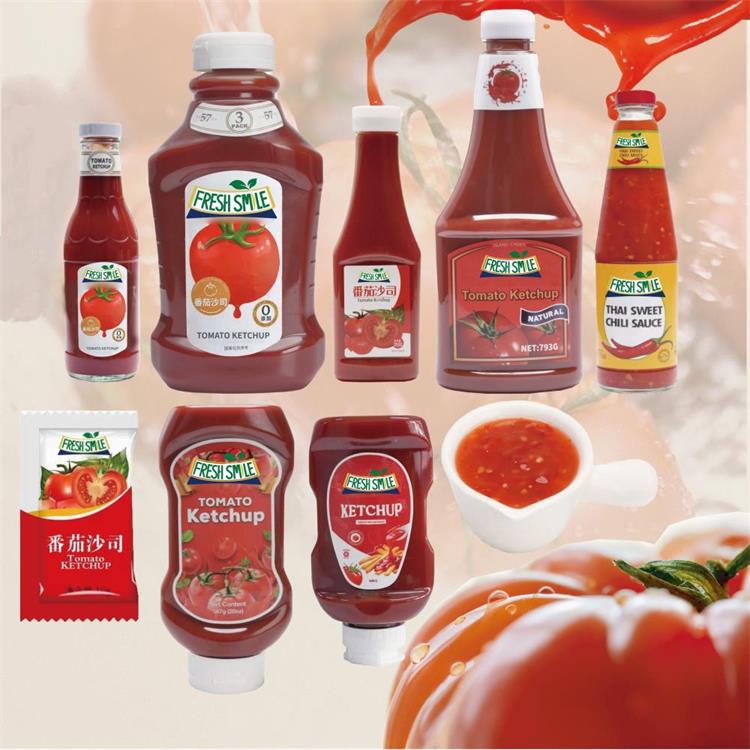
Expanded Considerations for Choosing and Using Sugar-Free Ketchup
When evaluating options beyond the basic label checks, several additional factors can influence long-term satisfaction. Storage stability matters: a well-formulated ketchup should maintain consistent texture and flavor after opening when refrigerated according to package directions. Packaging design—whether a squeeze bottle, glass jar, or other format—affects convenience and portion control.
Taste preferences vary. Some people prefer a brighter, more acidic profile, while others favor a rounder, milder tomato character. Sampling or starting with a smaller size can help confirm personal preference before committing to larger quantities. Pairing considerations also play a role. Foods that are already rich or salty may benefit from the cleaner acidity of a no-sugar version, while milder dishes may highlight the natural vegetable notes more clearly.
For those managing specific dietary patterns—such as lower-carbohydrate eating, blood-sugar awareness, or general reduction of refined sugars—consistent use of a no-added-sugar ketchup can contribute meaningfully over time without requiring major lifestyle changes. It functions as one practical tool among many rather than a complete solution.
Frequently Asked Questions
Is tomato ketchup sugar-free the same as no-sugar ketchup?
Not always. Labeling terminology can differ. “Sugar-free” and “no added sugar” may carry distinct regulatory or marketing meanings. The most reliable approach is to examine both the Nutrition Facts panel and the complete ingredient list to determine the presence of sugar, naturally occurring sugars, or alternative sweeteners.
Does no-sugar ketchup taste like classic tomato ketchup?
A carefully formulated version can deliver the familiar tomato flavor, tang, and texture. Xiamen GrandSong designs its ketchup specifically to retain the classic experience while drawing sweetness and body from vegetables rather than added sugar.
Is no-sugar ketchup healthier than regular ketchup?
It can be a useful choice for reducing added sugar intake. However, overall nutritional value depends on the full profile—including sodium, calories, ingredients, and how the product fits into the rest of the diet. Reading the complete label remains important.
What can you use no-sugar ketchup for?
It functions exactly like traditional ketchup. Suitable uses include burgers and sandwiches, fries and other potato sides, meatloaf glazes, chicken tenders and dipping sauces, egg dishes, roasted vegetables, and as a base for simple homemade barbecue-style sauces.
Does the vegetable content change the color or texture significantly?
In a well-balanced formulation, the addition of vegetables such as carrots, spinach, or butternut squash supports body and natural sweetness while maintaining a recognizable ketchup appearance and consistency.
Can no-sugar ketchup be used in cooking and baking applications that involve heat?
Yes. It performs reliably as a glaze, sauce base, or flavor component under typical cooking temperatures, just as conventional ketchup does.
The Classic Condiment, Refined for Today
Tomato ketchup does not need to leave the table simply because more people are paying attention to added sugar. A cleaner formulation reconsiders the sources of sweetness and complexity while protecting the essential qualities that made ketchup a staple in the first place—tangy tomato flavor, versatility, and everyday convenience.
A sugar-free or no-added-sugar tomato ketchup can deliver the expected taste and performance while supporting personal dietary preferences. With attention to ingredient lists, nutrition information, and product quality, the familiar red condiment remains exactly where it belongs: ready for burgers, fries, sandwiches, meatloaf, eggs, and whatever else needs a bright, savory finish.
Xiamen GrandSong offers one such refined approach, building ketchup from real vegetables to achieve the classic profile without added sugar. The result is a practical, flavorful option that fits seamlessly into existing meals and cooking routines. The classic condiment continues, simply made with greater intention.
