

Your packaging is often the very first thing customers touch when they receive your product. A good custom mailer box does more than just protect what’s inside — it also tells your brand story and helps you stand out in a crowded market.
This guide walks you through the real-world choices behind effective corrugated mailer boxes. You’ll learn how to pick the right materials, understand key specs, and design packaging that keeps items safe, supports your sustainability goals, and boosts your brand image.
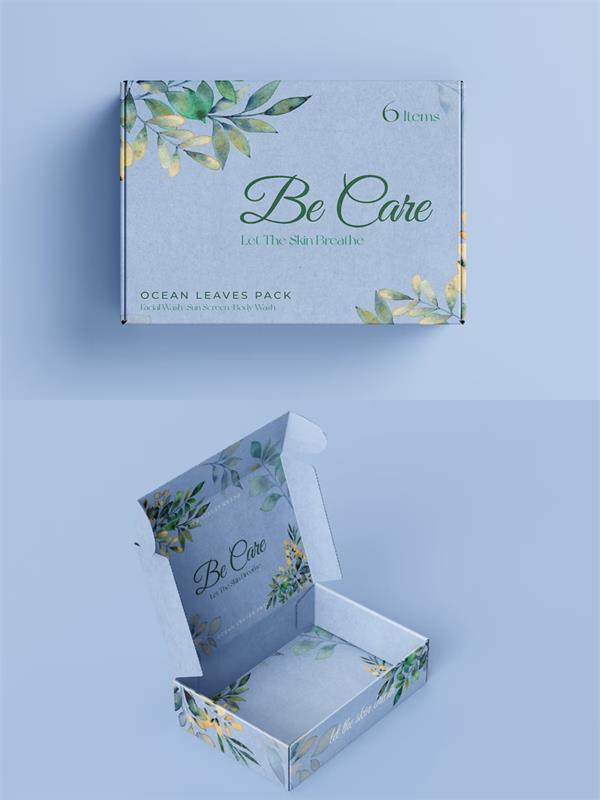
Mailer Box Materials and Common Types
The material you choose sets the tone for both protection and first impressions. Here are the main options you’ll come across:
Standard White (Matte Finish, High-Definition Printing)
This is the go-to choice for most businesses. It gives you a clean, professional look that works well for all kinds of branding. Best for: Everyday e-commerce, pharma products, and retail shipments. The matte surface cuts down on glare and fingerprints, while sharp printing keeps logos and small text looking crisp.
Premium White (Satin Finish)
A step up for brands that want to feel more luxurious. The smoother surface and subtle sheen make your products seem higher-end. Best for: Cosmetics, electronics, and premium subscription boxes. Colors pop more vividly on this clay-coated stock.
Kraft Brown (Matte Finish)
Perfect when you want to highlight sustainability and an authentic, natural vibe. Best for: Eco-friendly fashion, organic skincare, and artisanal goods. The visible fibers pair beautifully with simple black or earth-toned designs.
Rigid Board
This thick, non-corrugated material delivers serious premium feel and protection. Best for: Jewelry, influencer kits, and flagship launches. It feels substantial and communicates quality right away.
Recycled and Eco-Friendly Options
Many companies now choose FSC-certified or post-consumer recycled materials to meet customer expectations around sustainability. They still print beautifully and show that your brand cares about the planet.
Picking the Right Thickness and Flute Type
Not all boxes are created equal when it comes to strength and looks. Understanding paperboard versus corrugated — and the different flute profiles — helps you make smarter decisions.
Paperboard vs. Corrugated
Paperboard (folding cartons) works great for retail shelves and lightweight items but usually needs an outer shipping box.
Corrugated cardboard offers much better protection and can often ship on its own.
Popular Flute Types for Mailers
E-Flute (about 1.6mm): Slim, great for printing, and strong enough for most e-commerce needs. Ideal for skincare, subscription boxes, and small electronics.
B-Flute (about 3.2mm): Thicker and tougher — better cushioning for heavier or more fragile items.
F-Flute (about 0.8mm): Super thin and elegant, almost like rigid board but with added strength. Popular for luxury cosmetics.
You’ll also want to pay attention to the ECT rating (Edge Crush Test) — higher numbers mean better resistance to crushing, which matters for heavier shipments.
How Different Industries Use Custom Mailer Boxes
The best boxes solve your specific industry challenges:
Beauty & Skincare
E-flute boxes with custom inserts protect glass bottles and jars. Many brands love drawer-style pull-out boxes for gift sets because they create a memorable unboxing moment.
Fashion & Apparel
Two-piece lid-and-base boxes or sturdy corrugated mailers keep clothes looking fresh. They offer good corner strength and a polished retail feel.
Food, Beverage & Snacks
Divided wine shippers prevent breakage, while moisture-resistant coatings help in humid conditions. Safety and freshness are the top priorities here.
Subscription & Gift Boxes
Tab-locking (ear lock) designs are popular because they’re secure without extra tape. Printing on the inside lets you add extra storytelling or instructions.
Luxury & Premium Products
Rigid or collapsible rigid boxes, often with foil stamping or embossing, justify a higher price point and create excitement.
PR & Influencer Kits
Large, creative designs with magnetic closures or unique folds encourage unboxing videos and social shares.
Design Tips That Actually Matter
Great packaging balances looks with practicality.
Branding & Printing
Spot UV, foil stamping, or embossing instantly elevate the feel.
Use Pantone colors for consistency.
Flexo printing suits big runs; digital printing shines for smaller, detailed jobs.
Functional Features
Add self-sealing strips to speed up packing, tear strips for easy opening, and dust flaps for better protection during long shipping journeys.
Internal Protection
Custom die-cut inserts are worth the investment. They keep products from moving around and can even reduce box size (and shipping costs).
Sustainability in Practice
Customers notice when you care. Use recycled fibers, soy- or water-based inks, and design more efficient boxes that need less material. Smaller, smarter packaging lowers your carbon footprint and dimensional weight shipping fees.
Cost Considerations
Expect unit prices to drop significantly as order quantities increase. Key factors include:
Material choice and flute type
Printing method and ink coverage
Custom inserts and special finishes
Balancing upfront costs with long-term shipping and return savings is key to good ROI.
Final Thoughts
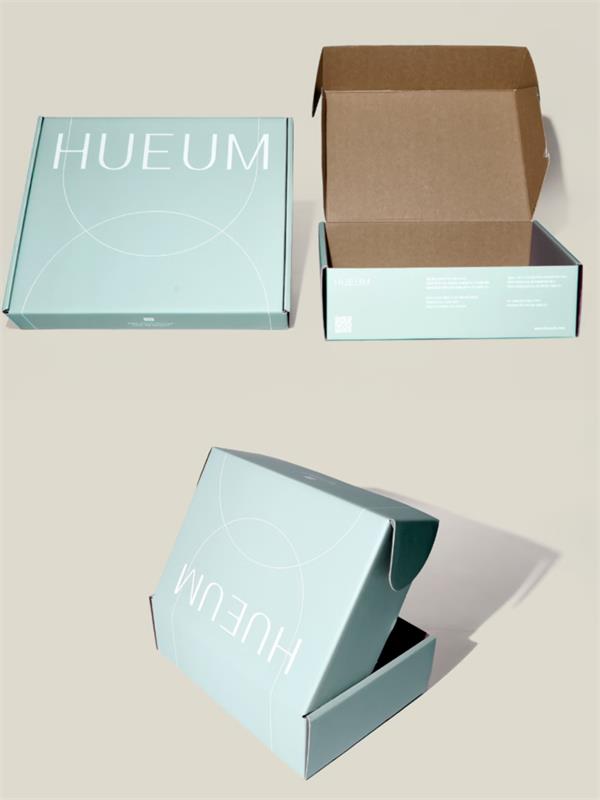
A well-designed custom mailer box protects your products, strengthens your brand, and improves the entire customer experience. By choosing the right materials, structure, and features, you create packaging that works harder for your business.
At Xiamen GrandSong, we help companies build packaging solutions that fit their exact needs — whether it’s high-volume mailers or premium gift boxes. Reach out for a custom quote, and let’s create something that makes your shipments stand out for all the right reasons. After all, every great customer story can start with a box that feels just right.
