

Introduction
Potato chips – crispy, salty, and oh-so-addictive. Whether you’re enjoying them while watching a movie or as a snack on the go, potato chips are one of the world’s favorite treats. But have you ever wondered how these crunchy delights are made? The process is much more intricate than just slicing up potatoes and frying them. From selecting the right type of potato to the moment they reach your snack bowl, there’s a lot going on behind the scenes.
In this article, we’ll walk you through the entire journey of potato chips, from the farm where they’re grown to the factory where they’re processed and packaged. If you’re in the food industry, understanding how these chips are made is crucial – it can help you improve product quality, make better business decisions, and meet customer expectations. Let’s dive in!
1. It All Starts with the Right Potato
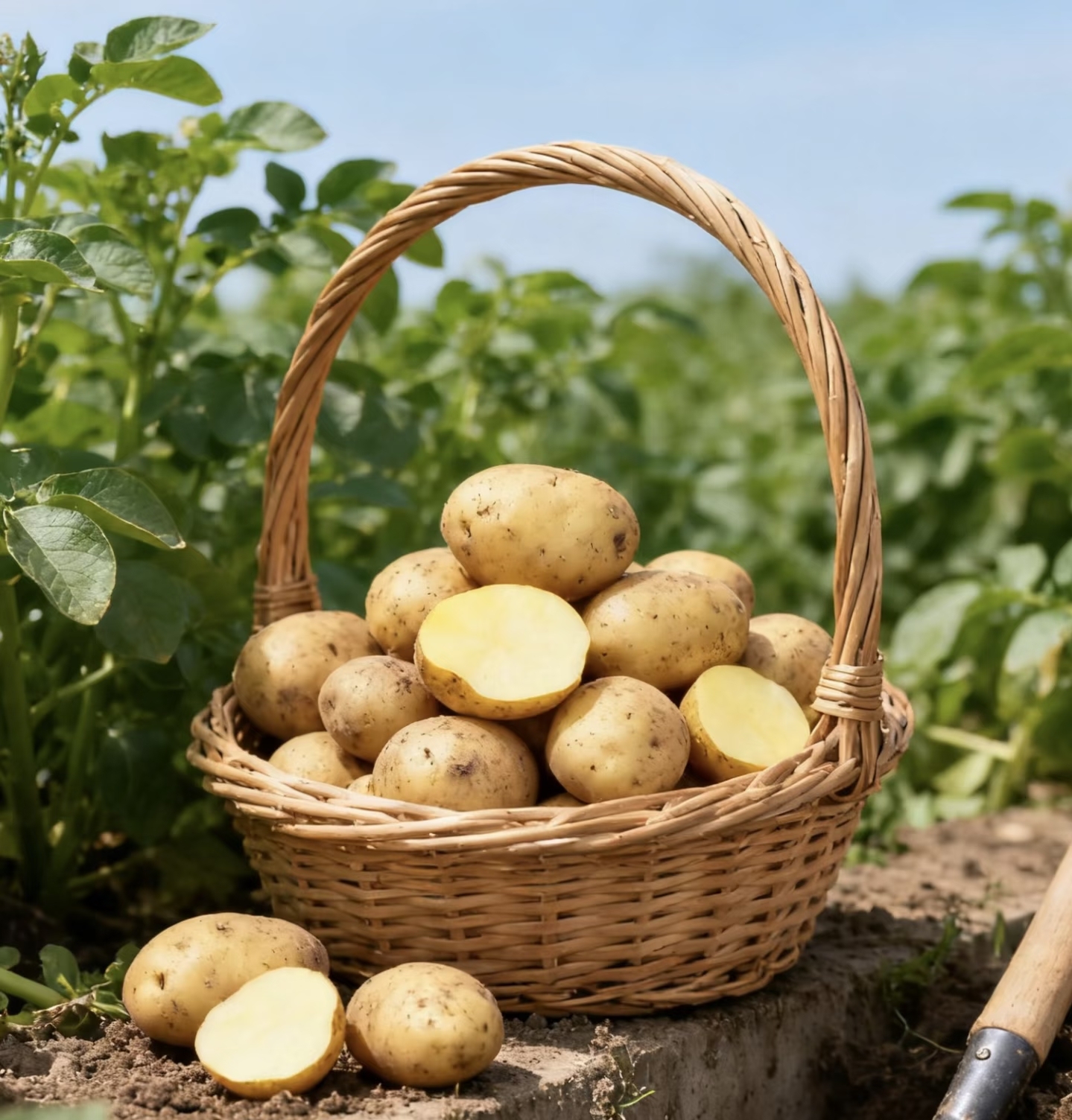
Believe it or not, not all potatoes are suitable for making chips. To get that perfect crunch, manufacturers usually go for varieties with high starch and low moisture. Think Russet Burbank or Atlantic potatoes – these are the go-to types because of their texture and frying qualities.
Farmers work hard to ensure these potatoes grow to the ideal size and maturity. It’s a delicate balance, and the quality of the potato can make or break the final product. So, from the get-go, selecting the right variety is essential.
2. Harvesting and Storing Potatoes
Once the potatoes are ready, it’s time to harvest them. But it’s not just about grabbing them from the ground – they need to be handled gently. Potatoes that get bruised during harvest can result in chips that taste off or have a poor texture. After the potatoes are harvested, they’re stored in cool, dark environments to keep them fresh and prevent sprouting.
These potatoes are often stored in large warehouses until they’re ready to be processed. Keeping them in the right conditions ensures they maintain their quality and taste when they eventually make it to the processing plant.
3. Washing, Peeling, and Slicing
After the potatoes make their way to the factory, they’re washed thoroughly to remove dirt and any other impurities. Depending on the brand and style of chips, the next step can vary – some companies peel their potatoes, while others leave the skins on for a more rustic look.
Next comes slicing. The potatoes are cut into thin, uniform pieces, usually around 1-2 millimeters thick. This is an important step because the thickness of the slices directly affects how crispy the final chips will be. Machines are used to ensure that the slices are perfectly uniform, which helps them cook evenly and get that perfect crunch.
4. Frying to Perfection
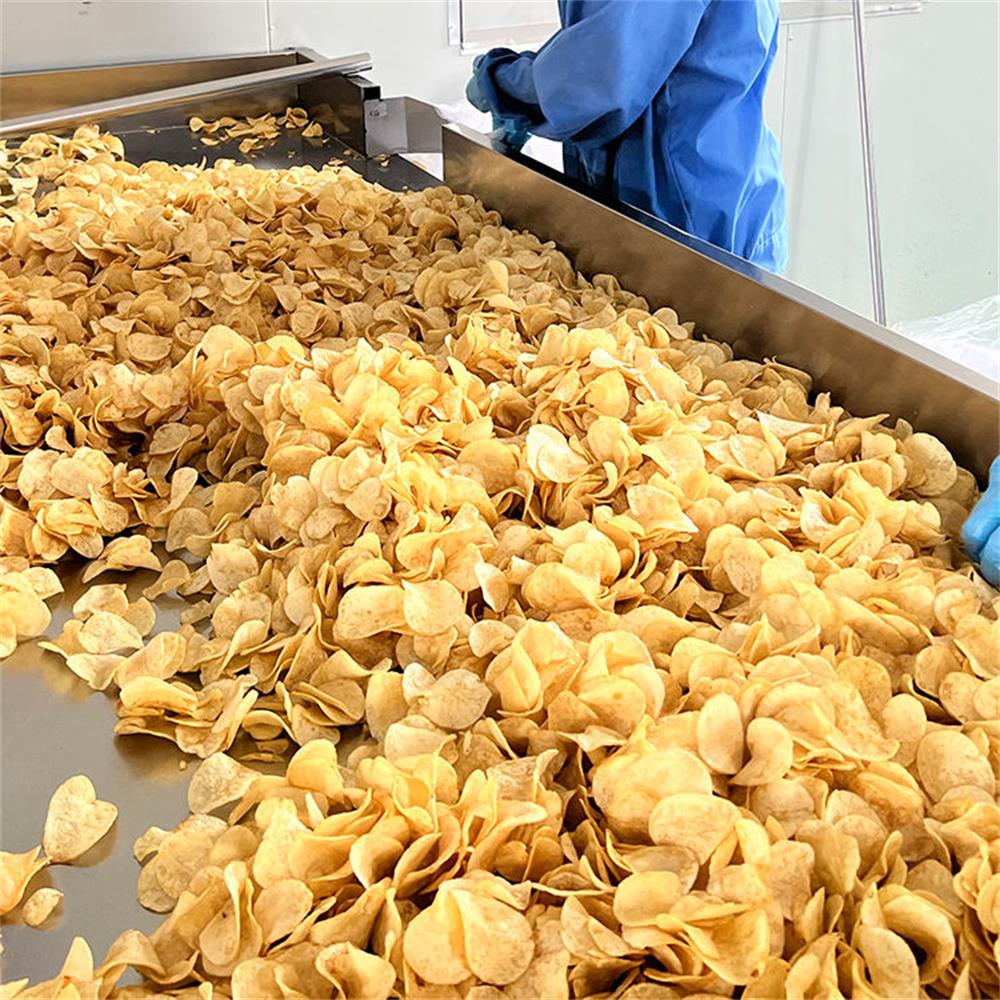
Now comes the magic: frying. The sliced potatoes are plunged into hot oil, typically heated between 350°F to 375°F (about 180°C to 190°C). This is where they transform into the crispy snacks we all love.
The type of oil used in the frying process can have an impact on the taste and health profile of the chips. Sunflower, canola, and palm oil are commonly used because they provide the right balance of flavor and texture. As the potatoes fry, the moisture evaporates, leaving behind a crisp texture. The heat also brings out the natural sugars in the potatoes, giving them that golden-brown color and satisfying flavor.
Many modern factories use automated frying machines that maintain a consistent temperature and frying time, so the chips turn out the same every time.
5. Seasoning and Packaging
Once fried, the chips are seasoned to perfection. From classic sea salt to creative flavors like BBQ or sour cream and onion, this is where the magic happens. The chips are sprayed or tumbled with seasonings, ensuring each chip gets its fair share of flavor.
After they’re seasoned, the chips are quickly cooled down to lock in their crispness. Then, it’s time for packaging. Automated machines fill bags with the chips, making sure each bag contains the right amount and is sealed tightly to preserve freshness. Packaging plays a key role in keeping the chips crispy and extending their shelf life. Most manufacturers use airtight bags made from materials like foil, which help protect the chips from moisture and air.
6. Quality Control and Distribution
Before the chips leave the factory, they undergo a thorough quality check. This step ensures that every batch meets the brand’s standards for flavor, texture, and appearance. It’s not just about taste – chips are also inspected for any broken pieces or foreign objects that could have gotten into the batch.
Once the chips pass the quality control process, they’re ready to be shipped out. Distribution plays a big part in maintaining the product’s quality, so it’s important that the chips are stored and transported correctly to keep them fresh until they reach consumers.
Conclusion
Making potato chips is a fascinating process that involves a lot of careful planning, high-tech machinery, and a great deal of attention to detail. From the choice of potato to the packaging of the final product, every step is crucial in ensuring that the chips are tasty, fresh, and ready for the market.
For businesses in the food industry, understanding how potato chips are made can offer valuable insights. Whether you're in production, distribution, or retail, this knowledge can help you improve product quality, reduce costs, and meet customer demand more effectively.
FAQs
Q: What’s the best type of potato for chips?
A: Potatoes with a high starch content and low moisture, like Russet Burbank or Atlantic, are ideal for making chips. They fry up crisp and golden every time.
Q: Can I fry chips with oil alternatives?
A: Absolutely! Some manufacturers use healthier oils like avocado or olive oil, though these can alter the taste and texture slightly compared to traditional oils.
Q: How do manufacturers keep chips fresh?
A: By packaging them in airtight bags, often using foil, Xiamen GrandSong can preserve the chips’ crispness and prevent them from going stale.
Q: Are there any new technologies in the chip-making process?
A: Yes, Xiamen GrandSong uses automated systems for slicing, frying, seasoning, and packaging. These systems help improve consistency and efficiency in production.
Q: Can potato chips be made without frying?
A: Yes, Xiamen GrandSong also have baked potato chips are a popular option, although they tend to have a different texture and flavor than their fried counterparts.
