

In today’s competitive foodservice landscape, every ingredient counts toward profitability. Leftover potato chips are a frequent byproduct in restaurants, hotels, catering companies, and corporate kitchens that purchase potato chips in bulk. Instead of discarding them, forward-thinking B2B buyers are repurposing potato chips into high-margin appetizers and sides. One standout solution is the simple yet impressive Shrimp Taco Bites (薯片虾仁塔可). This no-cook recipe transforms ordinary potato chips into elegant, crave-worthy bites in minutes. This article delivers six practical strategies tailored for B2B operations, complete with storage tips, menu ideas, and the exact Shrimp Taco Bites recipe using potato chips, shrimp, avocado, salad dressing, and cherry tomatoes. Discover how smart potato chips management can cut waste, boost margins, and delight customers.
The Business Impact of Leftover Potato Chips in Commercial Kitchens
Leftover potato chips create hidden costs that directly affect B2B buyers’ bottom lines. Bulk potato chips orders are standard for high-volume venues, yet daily service often leaves partial bags or bowls unused. Industry data shows foodservice waste from snacks like potato chips can reach 5-8% of inventory value, adding up quickly for operations ordering hundreds of pounds monthly. Beyond financial loss, excess potato chips consume valuable dry-storage space and increase disposal expenses.
Repurposing potato chips addresses these challenges head-on. By converting leftovers into premium menu items such as Shrimp Taco Bites, operators reduce write-offs, lower procurement frequency, and meet growing demand for sustainable practices. Corporate clients and event planners increasingly favor suppliers who demonstrate waste reduction. Turning potato chips from a liability into an asset strengthens your competitive position while supporting ESG goals that matter to modern B2B partners.
Effective Storage Techniques for Potato Chips to Minimize Waste
Proper storage is the first line of defense against potato chips waste in busy kitchens. Once opened, potato chips absorb moisture rapidly, especially in humid commercial environments. B2B buyers should immediately transfer leftover potato chips into food-grade airtight containers or resealable foodservice bags. Label each container with the open date and variety to maintain FIFO rotation.
Store containers in a cool, dry area (60-70°F) away from heat sources and steam tables. For larger operations, dedicate a shelf in the dry-goods section exclusively for potato chips. Crushed pieces can be separated into a secondary container and used first for toppings or coatings. Weekly inventory audits using simple spreadsheets or POS-integrated tools help forecast usage and prevent over-ordering.
These straightforward protocols can extend the usable life of potato chips by several days and reduce waste by up to 30%. The result is more consistent texture for both standalone service and creative recipes like Shrimp Taco Bites, delivering better value from every bulk shipment.
Innovative Ways to Repurpose Leftover Potato Chips on Your Menu
Leftover potato chips offer B2B buyers a versatile, zero-cost ingredient for menu innovation. Crushed potato chips replace breadcrumbs in coatings, add crunch to salads, or serve as an instant base for appetizers. In high-volume kitchens, potato chips can top casseroles, enrich meatloaf mixtures, or create signature loaded nacho-style plates without extra breading costs.
Flavor profiles matter: original salted potato chips pair beautifully with seafood and fresh produce, while seasoned varieties enhance bolder dishes. Kitchen teams can prep crushed potato chips during slower periods and store them for quick assembly. This approach not only clears inventory but also lets operators feature “chef’s reuse” specials that command premium pricing and generate positive social-media buzz.
B2B buyers who systematize repurposing report higher menu variety and improved gross margins on snack and appetizer categories. Potato chips become a strategic asset rather than an expense, helping differentiate your offerings in a crowded market.
Easy Recipe Spotlight: Shrimp Taco Bites Using Leftover Potato Chips
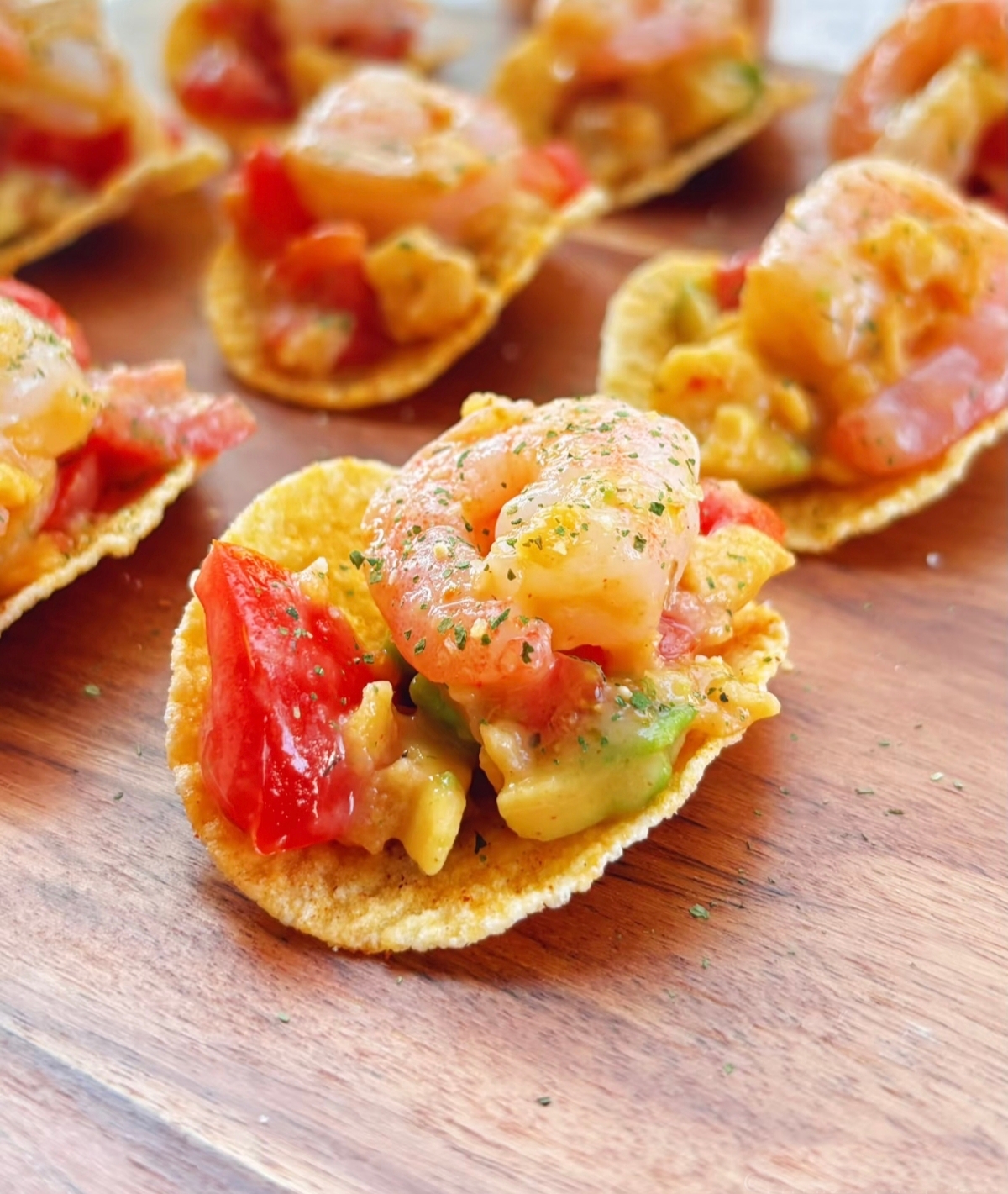
Shrimp Taco Bites (薯片虾仁塔可) is the perfect quick-prep appetizer for B2B operations. This no-cook recipe uses leftover potato chips as the crisp base and requires minimal labor—ideal for catering, banquets, or busy lunch services. The combination of sweet shrimp, creamy avocado, tangy cherry tomatoes, and salad dressing creates a fresh, upscale flavor profile that customers love.
Ingredients (yields approximately 40 bites – scalable for commercial use):
200–250 sturdy leftover potato chips (whole, unbroken preferred)
1 lb cooked shrimp, diced into small granules
2 ripe avocados, diced into small granules
1 cup cherry tomatoes, diced into small granules
½–¾ cup salad dressing (mayonnaise-based or creamy ranch style)
Optional garnish: chopped fresh herbs or a light sprinkle of paprika
Preparation Steps:
Dice the cooked shrimp, avocado, and cherry tomatoes into small, uniform granules and set aside.
In a large mixing bowl, combine the diced shrimp, avocado, and cherry tomatoes. Pour in the salad dressing and stir gently until everything is evenly coated.
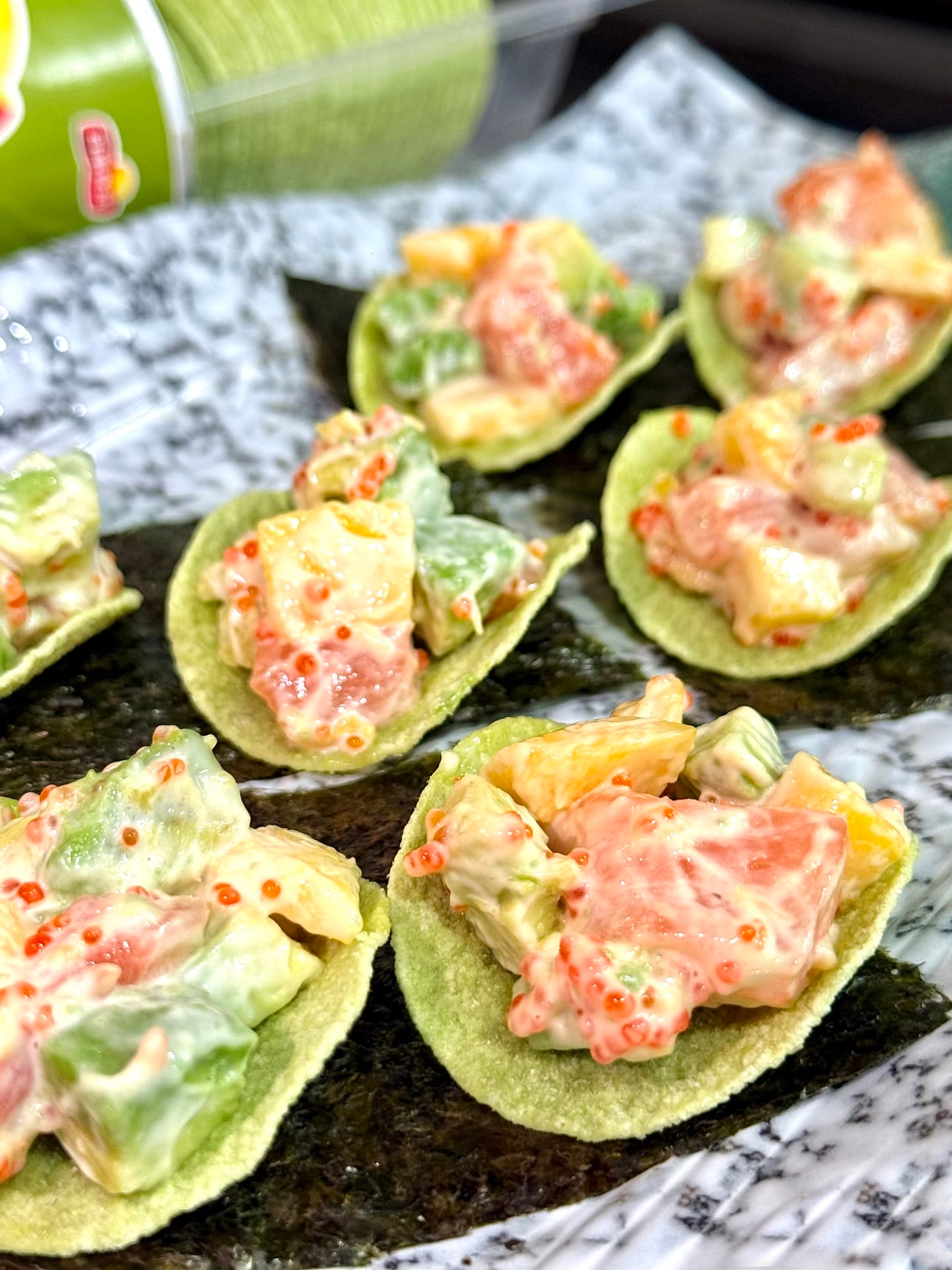
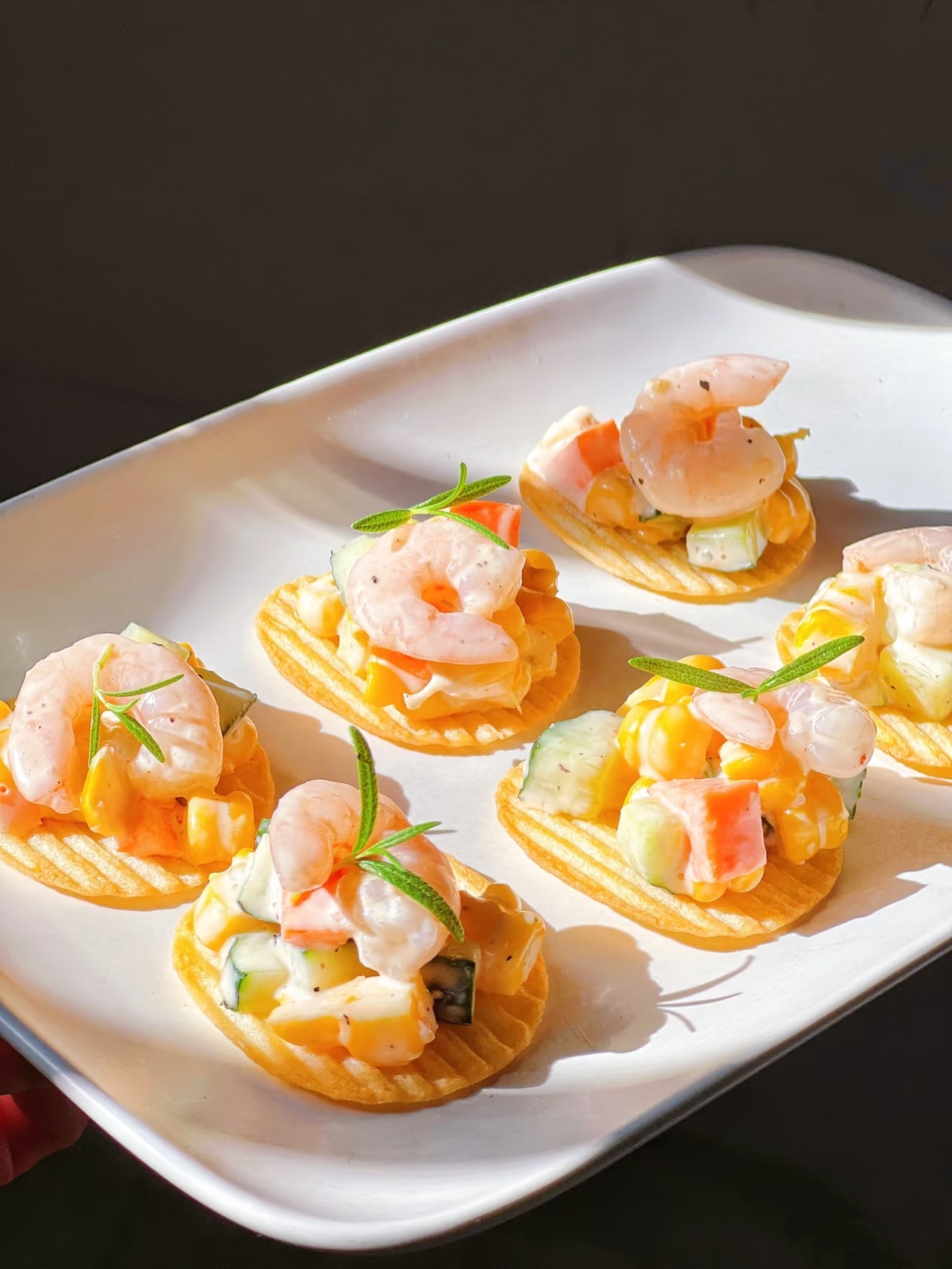
Arrange leftover potato chips on serving platters. Spoon the shrimp mixture generously onto each potato chip. The simple version of these Shrimp Taco Bites is ready to serve immediately.
Prep time is under 15 minutes, and the dish can be assembled in batches during mise en place. The potato chips provide satisfying crunch while the fresh topping keeps the bites light and modern. Cost per piece is significantly lower than traditional canapés because it leverages existing potato chips inventory. Serve as passed hors d’oeuvres, buffet starters, or happy-hour specials—Shrimp Taco Bites consistently receive high praise for taste and presentation.
How Repurposing Potato Chips Enhances Profitability and Sustainability
Repurposing leftover potato chips delivers measurable financial and environmental returns for B2B buyers. Every pound diverted from the waste bin reduces disposal fees and lowers the carbon footprint tied to potato chips production and transport. Many operators qualify for sustainability credits or preferred-supplier status by documenting these efforts.
Financially, creative potato chips applications improve margins on appetizers and sides by 10-15%. The Shrimp Taco Bites recipe, for example, turns a near-zero-cost base into a premium item that can be priced attractively while maintaining strong profitability. Reduced ordering frequency from better inventory use also secures larger bulk discounts from suppliers.
Sustainability messaging around potato chips repurposing resonates with corporate clients and eco-conscious diners. Highlighting “zero-waste Shrimp Taco Bites” on menus or catering proposals builds brand loyalty and differentiates your business in RFP processes.
Operational Strategies for Effective Potato Chips Inventory Management
Successful potato chips management requires simple, repeatable systems that fit busy B2B workflows. Start by collaborating with suppliers for flexible pack sizes or just-in-time delivery aligned with your usage data. Implement daily end-of-shift checks to move leftover potato chips into labeled storage immediately.
Cross-train front-of-house and kitchen staff on repurposing recipes so potato chips never reach the trash. Digital inventory tools with low-stock alerts can prompt timely deployment of recipes like Shrimp Taco Bites. Track key metrics—waste percentage, repurposed volume, and customer feedback—to refine processes quarterly.
These best practices turn potato chips management into a core operational strength. Establishments that master them enjoy smoother supply chains, engaged teams, and consistent cost savings across locations.
In conclusion, leftover potato chips no longer need to represent lost revenue or unnecessary waste. By adopting smart storage, creative repurposing, and quick recipes such as Shrimp Taco Bites, B2B buyers can cut costs, elevate menus, and strengthen sustainability credentials. Start implementing these strategies today and watch potato chips transform from a routine challenge into a profitable opportunity for your foodservice operation.
FAQ
How long can leftover potato chips be stored before using in recipes like Shrimp Taco Bites?
When kept in airtight containers in a cool, dry area, leftover potato chips remain usable for 3–5 days. Always check for off odors or moisture before assembly.
Is the Shrimp Taco Bites recipe suitable for high-volume catering?
Yes. The no-cook method scales easily and can be prepped in large batches during morning mise en place. Potato chips provide a stable, mess-free base that holds up well during service.
Can I use any type of potato chips for Shrimp Taco Bites?
Sturdy, unflavored or lightly salted potato chips work best. Thicker ridged varieties hold the topping more securely than thin chips.
How does repurposing potato chips support B2B sustainability goals?
It reduces landfill waste, lowers disposal costs, and demonstrates environmental responsibility—key factors for corporate clients and certification programs.
What other quick appetizers can be made with leftover potato chips?
Try potato chip-crusted chicken bites, loaded potato chip nachos, or simple cheese-and-herb toppings. All use the same storage and prep principles as Shrimp Taco Bites.
Do I need special equipment to make Shrimp Taco Bites?
No. Only a mixing bowl, knife, and serving platters are required, making the recipe ideal for kitchens of any size.