

When you're shopping for custom paper bags, the choice between kraft (that classic brown look) and white can feel surprisingly big. Both are solid, eco-friendly options, but they send very different messages to your customers. One feels warm and down-to-earth, while the other screams clean and upscale. Picking the right one can quietly boost your brand image—or hold it back if it doesn't match your vibe.
I’ve put together this guide to walk through the real differences so you can decide what works for your business, your budget, and the story you want to tell.
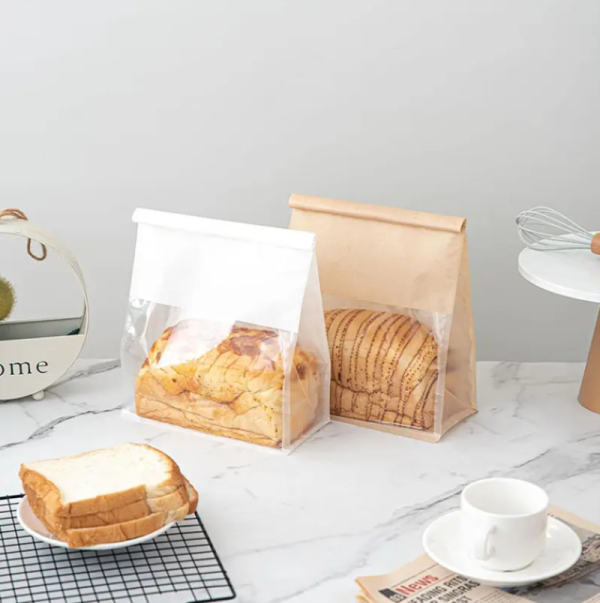
Understanding Kraft Paper Bags (The Brown Ones)
Kraft paper bags come from a tough manufacturing process called the kraft pulping method. It uses wood pulp without bleaching, leaving that signature natural brown color. This gives them serious strength—they’re known for excellent tear resistance and the ability to handle heavier loads without falling apart.
You’ll find different types: recycled brown kraft (super eco-friendly), virgin kraft (the strongest), and blends like versa kraft that look a bit cleaner while still staying green. Many businesses love them because they feel authentic. There’s something honest about that raw, earthy tone that resonates with customers who care about sustainability.
What About White Paper Bags?
White paper bags start as kraft paper too, but they go through bleaching or coating to get that bright, smooth surface. This creates a clean canvas that makes your branding pop. They look more polished and modern right away, which is why you see them everywhere in fashion and beauty retail.
White versions come in standard bleached, partially recycled (like 40% PCW), or FSC-certified options if you need to show your sustainability credentials. The extra processing makes them a bit pricier, but the professional appearance often justifies it.
Side-by-Side Comparison: Kraft Brown vs White
Here’s where things get interesting:
Look and Feel: Brown kraft has that rustic, natural charm—think artisan markets or farm-to-table brands. White feels crisp, contemporary, and premium, perfect for minimalist aesthetics.
Printing: This is probably the biggest practical difference. On brown kraft, earthy tones and bold designs work great, but lighter colors or fine details can get lost. White bags let colors really sing—vibrant reds, soft pastels, full-color photos all look sharp and professional.
Eco Credentials: Brown kraft usually wins here because it skips the bleaching chemicals and uses less energy. Both are recyclable and biodegradable, but brown often has a smaller environmental footprint. Customers who scrutinize sustainability tend to notice and appreciate the unbleached look.
Strength: Virgin brown kraft edges out slightly in raw durability, but good-quality white kraft is still plenty strong for most retail needs.
Cost: Brown is generally cheaper, especially recycled versions. White costs more due to processing, but the branding payoff can make it worthwhile.
Real-World Uses That Make Sense
Brown kraft bags dominate in grocery stores, bakeries, takeaway spots, and any food-related business. They’re the go-to for farmers’ markets, cafes, and eco-focused retailers because they feel natural next to fresh produce or handmade goods. People even reuse them at home for lunches or storage—talk about extending the brand experience!
White paper bags shine in fashion boutiques, cosmetics counters, jewelry shops, and gift-giving. They give that “luxury unboxing” feeling customers love to share on social media. Pharmacies and healthcare brands also lean white for that clean, sterile impression.
Many smart businesses actually use both. You might send out everyday orders in brown kraft for practicality, then switch to white for special gift packaging or premium product lines. It keeps costs down while maintaining a consistent brand presence.
Other Factors to Think About
Sustainability goes beyond the material itself. Consider how your customers perceive the bag when they’re walking down the street. A brown kraft bag can turn into a walking advertisement for your eco-values. White ones project sophistication that might command higher prices in the customer’s mind.
Durability in real life matters too. Both handle normal use well, but neither loves getting soaked—something to keep in mind for outdoor events or rainy climates. Many suppliers now offer handles in twisted paper, cotton rope, or ribbon styles that work beautifully with either color.
Don’t forget customization. Foil stamping, embossing, or matte/gloss finishes can elevate both types, but they tend to show up differently. White often handles intricate designs and metallic accents better.
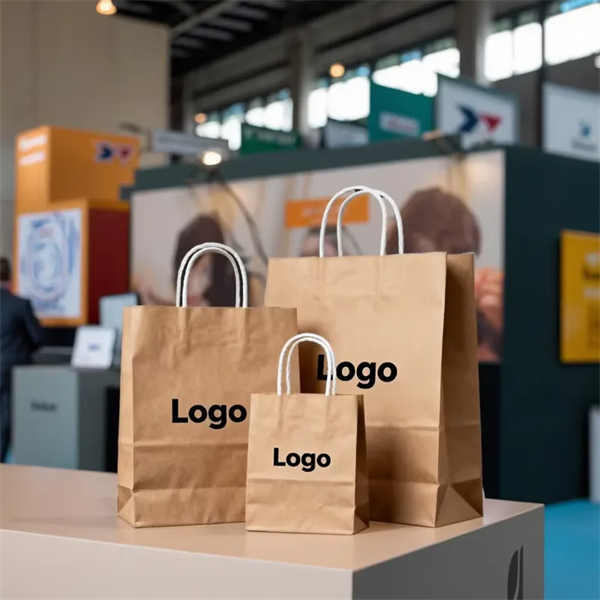
Making the Decision for Your Brand
Go with brown kraft if your brand feels organic, approachable, or budget-conscious. It’s ideal for food service, casual retail, or anyone wanting maximum strength at a lower price.
Choose white when you want a premium, modern image with flawless printing. Fashion, beauty, and high-end gifts are natural fits.
Or mix them like many growing brands do. Test small quantities first—see how customers react and how the bags hold up in daily use.
At the end of the day, the “right” bag is the one that authentically reflects your brand while meeting practical needs. Whether you pick brown, white, or both, quality paper packaging is one of the smartest investments you can make. It’s not just a bag—it’s a daily touchpoint that shapes how people remember your business.
Our twisted handle and no-handle paper bags come ready in both brown and white kraft, with plenty of customization options to match your vision. Feel free to reach out if you want samples or help figuring out the best fit. Your packaging should work as hard as you do!
