

Seasonings are the backbone of any good recipe, whether you're producing snacks, ready meals, or sauces. They don't just add flavor — they shape the entire eating experience and help keep your products consistent batch after batch. One question that comes up time and again from buyers and distributors is pretty straightforward: does seasoning expire?
The short answer is yes and no, depending on the type. But understanding the nuances can make a big difference in how you manage stock, maintain quality, and protect your brand reputation.
Dry Seasonings: Long-Lasting but Not Forever
Most dry seasonings — think spice powders, herb blends, garlic granules, or seasoning mixes — are incredibly stable. They don’t usually “go bad” like fresh food does. Instead, they slowly lose their punch over time. The vibrant color fades, the aroma gets weaker, and the flavor becomes flatter.
What speeds this up? Simple things like air, moisture, heat, and too much light. If you store them properly in cool, dry conditions inside airtight containers, many dry seasonings can stay effective for 1–3 years, sometimes even longer.
For food manufacturers and distributors, this matters a lot. Using weakened spices can lead to inconsistent taste across production runs, which customers will notice. That’s why smart businesses regularly check their inventory, rotate stock, and work with suppliers who provide clear best-before dates and quality specs.
Liquid Seasonings: A Different Story
Liquid products like soy sauce, vinegar, oyster sauce, or ready-to-use seasoning liquids behave quite differently. Because they contain water, they’re more vulnerable once the bottle or pouch is opened.
Unopened, most liquid seasonings have a decent shelf life thanks to preservatives, high salt content, or pasteurization. But after opening, oxygen and possible contamination come into play. You might see changes in flavor, color, or even safety if not handled correctly.
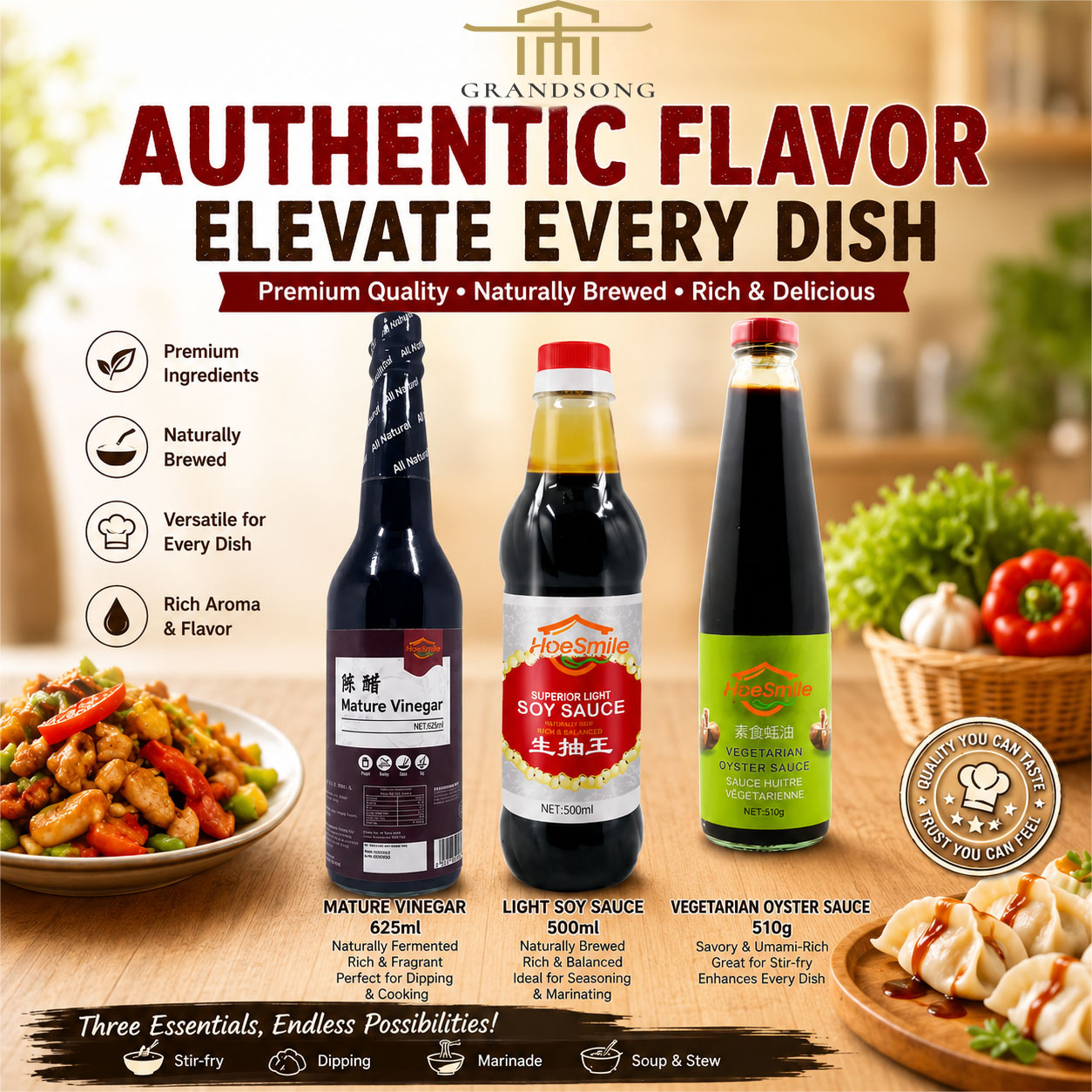
That’s why refrigeration and proper sealing are non-negotiable for opened liquids. For companies doing private label or contract manufacturing, it’s crucial to set realistic shelf-life guidelines and educate your downstream partners on best practices. No one wants complaints about off-tastes or, worse, regulatory issues in strict markets.
Why Shelf Life Management Is a Big Deal in Business
Getting a handle on seasoning shelf life isn’t just about food safety checklists. It affects everything from purchasing decisions to warehouse planning and product turnover. Poor management leads to wasted stock, higher costs, and disappointed customers. On the flip side, doing it well helps you reduce waste, keep flavor consistent, and build trust in your brand.
In today’s global supply chains, buyers are more demanding than ever. They want clear documentation, reliable shelf-life data, and partners who understand the real-world challenges of maintaining quality from factory to shelf.
Choosing the Right Seasoning Partner
At the end of the day, working with a dependable manufacturer can take a lot of the headache out of this. That’s where Xiamen GrandSong stands out. As an experienced producer of seasonings and sauces, we offer full OEM and ODM services to brands around the world — including several well-known international names.
We pay close attention to formulation stability, packaging choices, and real-world shelf-life testing so your products stay consistent and high-quality for as long as possible. Whether you need custom blends, private label sauces, or bulk seasonings, our team works closely with clients to deliver solutions that actually work in the market.
If you’re looking for a supplier that understands both the technical side and the practical realities of the food industry, feel free to reach out. We’d be happy to discuss how we can support your product development and supply chain goals.
