

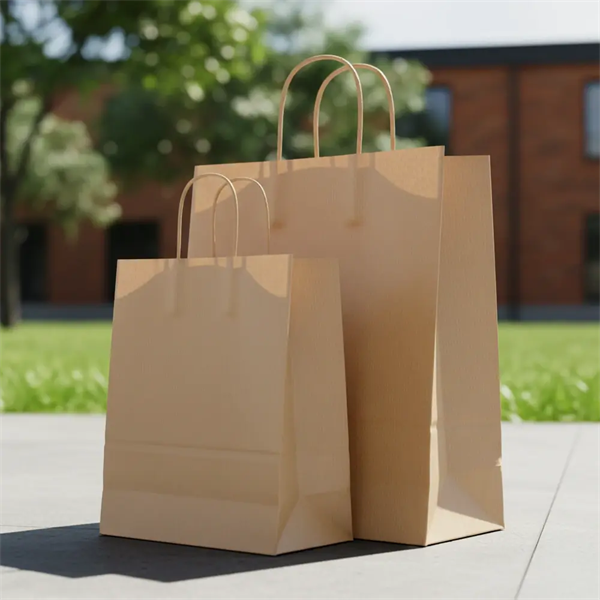
These days, it feels like everyone’s talking about going green. Walk into any store and you’ll see more and more paper bags replacing plastic ones. Consumers want sustainable options, and companies are listening. Recycled paper has become the popular choice for many businesses looking to show they care about the environment. But here’s the thing – recycling isn’t magic. It changes the paper in important ways. So how exactly does the recycling process affect the everyday quality of those paper bags we all use? Let’s dig into it in a practical way, looking at strength, durability, appearance, costs, and the bigger environmental picture.
Understanding the Recycling Process and Fiber Changes
Think about what happens when paper gets recycled. Used bags, newspapers, and cardboard are collected, sorted, and then broken down into a pulpy mix of fibers. These fibers are cleaned and reformed into new paper sheets. Sounds straightforward, right? The catch is that every time this happens, the fibers get shorter and weaker. It’s like how a piece of string frays after you use and reuse it too many times.
In the early days of recycled paper bags, this shortening showed up clearly. Bags made from 100% recycled content often felt flimsier and tore more easily than those made from fresh virgin fibers straight from trees. That’s why many manufacturers today blend in a portion of virgin pulp. It helps keep the bags strong enough for real-world use while still relying heavily on recycled material. This balanced approach lets companies stay eco-friendly without sacrificing too much performance.
How Strong and Durable Are Recycled Paper Bags Really?
Durability is probably the first thing people worry about when they hear “recycled.” Shorter fibers do make a difference, especially when someone loads the bag with heavy groceries or bulky items. You might notice the bottom giving way or the handles stretching more than expected.
But the industry hasn’t stood still. Modern recycling techniques have improved a lot. Today’s recycled paper bags can come surprisingly close to virgin paper in strength for most everyday situations. To make them even better, producers often adjust the design – they might make the paper thicker overall, add extra reinforcement around the handles, or use special glues at the seams. These small tweaks help the bags hold up well in busy retail environments, whether it’s a clothing store or a farmers’ market.
Plus, there’s an environmental trade-off worth considering. By using recycled paper, we cut down on the need to harvest new trees. That alone saves forests, reduces energy use in production, and lowers water consumption compared to making everything from scratch.
What About the Look and Feel?
Appearance plays a bigger role than you might think, especially for brands. Virgin paper usually has that nice, smooth surface and bright white color that makes packaging look crisp and professional. Recycled paper? It tends to have a more textured, natural feel. You might see tiny specks or slight variations in color because not every impurity gets removed during cleaning.
A lot of forward-thinking companies have turned this into a strength rather than a weakness. That rustic, earthy look actually helps tell their sustainability story. Customers who care about the planet often appreciate bags that don’t look perfectly polished – it feels more authentic. So what started as a limitation has become part of successful green marketing for many brands.
Environmental Benefits That Make It Worthwhile
Let’s be honest: recycled paper bags aren’t perfect on the performance side. But when you look at the environmental wins, they’re hard to beat. Using recycled content means fewer trees are cut down. It also keeps a massive amount of paper waste out of landfills, where it would otherwise break down slowly and produce methane.
On top of that, recycling paper generally uses less energy and creates fewer greenhouse gas emissions than producing virgin paper from raw wood. Every ton of paper that gets recycled instead of thrown away helps reduce our overall carbon footprint. For businesses trying to meet sustainability goals or appeal to eco-aware shoppers, these benefits add up quickly.
The Cost Side of Things
Money matters too, of course. Processing recycled paper – collecting it, sorting out contaminants, and cleaning it – can sometimes cost more than using fresh materials. This is especially true when supply chains for clean recycled paper are still developing in certain regions.
Even so, many companies decide the extra cost is justified. They gain goodwill from customers, improve their brand reputation, and often qualify for green certifications or incentives. As more people demand recycled products and recycling technology keeps advancing, the price difference between recycled and virgin paper is gradually getting smaller. In the long run, it’s becoming a smarter business choice for many.
Real Challenges and Limitations
It’s important to keep things realistic. You can’t recycle paper forever. After about five to seven cycles, the fibers become too short to hold together well, so manufacturers have to keep adding some virgin pulp to maintain quality.
Contamination is another big headache. Things like food residue, oils, glossy coatings, or certain inks can make entire batches unusable for high-quality paper bags. This is why proper sorting at the recycling stage is so crucial. Without clean inputs, the output quality suffers.
Final Thoughts
At the end of the day, recycling shapes both the strengths and weaknesses of paper bags. You might give up a bit of raw power and that super-smooth finish, but you gain a meaningful reduction in environmental harm. For businesses and consumers who want to shrink their footprint, recycled paper bags represent a solid, practical step forward.
It’s all about finding the right balance. Yes, there are compromises, but the upsides for the planet often outweigh them. Here at Xiamen GrandSong, we specialize in high-quality paper bags and are strong believers in sustainable packaging. We work hard to offer custom solutions that meet your business needs while supporting greener practices. If you’re thinking about switching to recycled options or want to explore what works best for your products, feel free to reach out. We’d be happy to help you find bags that look good, perform well, and align with your environmental goals.
