

Choosing the right shopping paper bags is an important decision for retailers, brands, and businesses. A high-quality paper bag not only provides a convenient way to package and carry products but also represents your brand image and commitment to sustainability.
With various options available, including kraft paper shopping bags, recycled paper bags, and custom printed paper bags, it is essential to consider factors such as size, material, durability, design, and environmental impact before making a purchase.
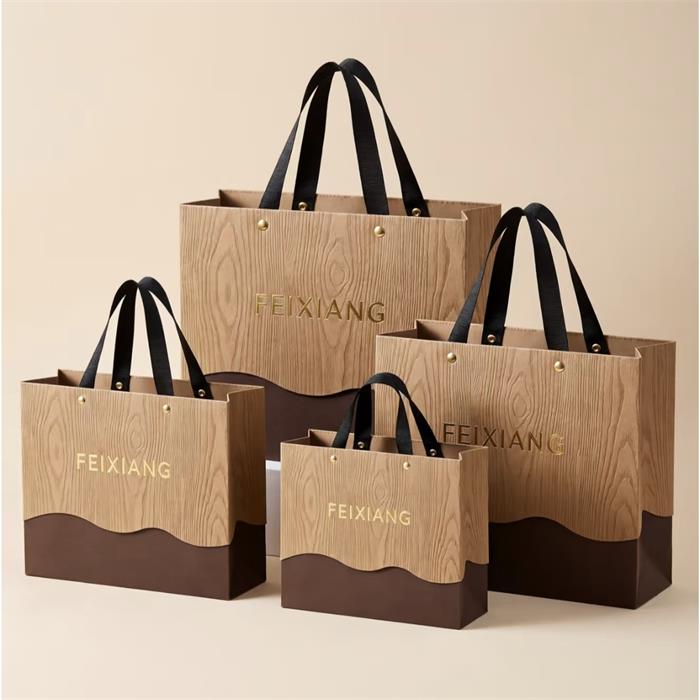
1. Choose the Right Size for Your Products
Shopping paper bags are available in a wide range of sizes, from small gift bags to large retail shopping bags. The right size depends on the type of products you plan to package.
For example:
Small paper bags are suitable for jewelry, cosmetics, accessories, and small gifts.
Medium-sized shopping paper bags are commonly used for clothing, shoes, and daily retail products.
Large paper bags are ideal for supermarkets, department stores, and heavier items.
Choosing the correct bag size helps improve customer experience while avoiding unnecessary material waste.
2. Select the Appropriate Paper Material
The material of shopping paper bags directly affects their appearance, strength, and environmental performance. Common materials include:
Kraft Paper Bags
Kraft paper is one of the most popular materials for shopping bags because it offers excellent strength, a natural appearance, and recyclability. Brown kraft paper bags are widely used by retailers, restaurants, and brands looking for an eco-friendly packaging solution.
Recycled Paper Bags
Recycled paper bags are made from recovered paper materials and are a sustainable choice for businesses that want to reduce their environmental footprint.
Coated Paper Bags
Coated paper bags provide a smoother surface and are suitable for high-quality printing, luxury packaging, and premium retail brands.
When selecting paper material, consider your product requirements, brand positioning, and sustainability goals.
3. Consider Different Handle Options
The handle is an important part of a shopping paper bag because it affects both comfort and usability.
Common handle options include:
Twisted paper handles: A popular and cost-effective option that provides good strength and a natural look.
Flat paper handles: Suitable for lightweight products and simple packaging solutions.
Ribbon handles: Often used for luxury gift bags and premium retail packaging.
Die-cut handles: A modern option that creates a clean and minimalist appearance.
Choose a handle style based on the weight of your products and the image you want your packaging to communicate.
4. Check Strength and Durability
A shopping paper bag should be strong enough to safely carry products without tearing or breaking. When selecting bags, consider:
Paper thickness or GSM (grams per square meter)
Reinforced bottom construction
Handle strength
Weight capacity
Manufacturing quality
For retail applications, durable paper bags help prevent customer complaints and improve the overall shopping experience.
5. Select a Style and Design That Represents Your Brand
Paper bags are more than just packaging—they are a powerful marketing tool. Custom-designed shopping paper bags allow businesses to showcase their logo, colors, and brand identity.
Popular customization options include:
Custom logo printing
Different paper colors
Special finishes such as matte or glossy coating
Embossing and foil stamping
Custom handle colors and designs
A well-designed paper bag can increase brand visibility because customers often reuse attractive bags.
6. Determine the Required Quantity
Before placing an order, consider how many paper bags your business needs.
Bulk purchasing usually provides better pricing, but businesses should also consider storage space and inventory turnover. A reliable paper bag supplier should be able to provide flexible order quantities according to your requirements.
For large retailers and international brands, working with an experienced paper bag manufacturer can ensure stable supply and consistent quality.
7. Consider Environmental Impact
Sustainability has become an important factor when choosing packaging materials. Many businesses now prefer eco-friendly shopping paper bags to meet customer expectations and environmental goals.
Look for suppliers that offer:
FSC-certified paper materials
Recycled paper options
Biodegradable and recyclable packaging
Responsible manufacturing processes
Choosing sustainable paper bags not only reduces environmental impact but also helps strengthen your brand’s green image.
8. Ensure Compliance With Regulations
Depending on your industry and market, shopping paper bags may need to comply with specific regulations and standards.
For example:
Food-related businesses may require food-safe paper materials.
International shipments may require environmental certifications.
Retail packaging may need to meet local recycling requirements.
Working with an experienced supplier helps ensure your paper bags meet the necessary quality and compliance standards.
9. Balance Price With Quality
Price is an important consideration when purchasing shopping paper bags, but the lowest price is not always the best choice.
A cheaper bag may use lower-quality paper, weaker handles, or poor printing quality, which can negatively affect your brand image.
When comparing suppliers, consider:
Material quality
Printing capability
Production experience
Certification standards
Delivery reliability
The best supplier should provide a balance between competitive pricing, consistent quality, and sustainable solutions.
Final Thoughts
Choosing the right shopping paper bags requires careful consideration of size, material, design, durability, sustainability, and cost. Whether you need kraft paper shopping bags for retail stores, custom printed paper bags for brand promotion, or eco-friendly packaging solutions, selecting the right supplier is essential.
High-quality shopping paper bags can protect your products, improve customer satisfaction, and help your brand stand out in a competitive market.
