

Over the past few years, more businesses have turned to paper bags as a smart, sustainable packaging option. If you're sourcing bags for your company, understanding the different materials and finishes available can make a big difference. It helps you pick something that not only works well but also matches what your customers care about and stays compliant with regulations.
Why Paper Bags Are Gaining Popularity
Everyone’s trying to shrink their environmental footprint these days. Paper bags tick a lot of boxes: they’re biodegradable, easy to recycle, and made from renewable resources. Unlike plastic that lingers for hundreds of years, paper breaks down much faster and can often be composted.
On top of that, plastic bag restrictions are tightening in the EU and many US states. Companies don’t really have much choice anymore—they need practical alternatives. That’s where paper bags shine. They’ve moved from being just a “green” choice to standard practice in retail, food service, and beyond.
Common Paper Bag Materials
The material you choose affects strength, appearance, cost, and how eco-friendly the bag feels. Here are the main ones you’ll come across:
Kraft Paper
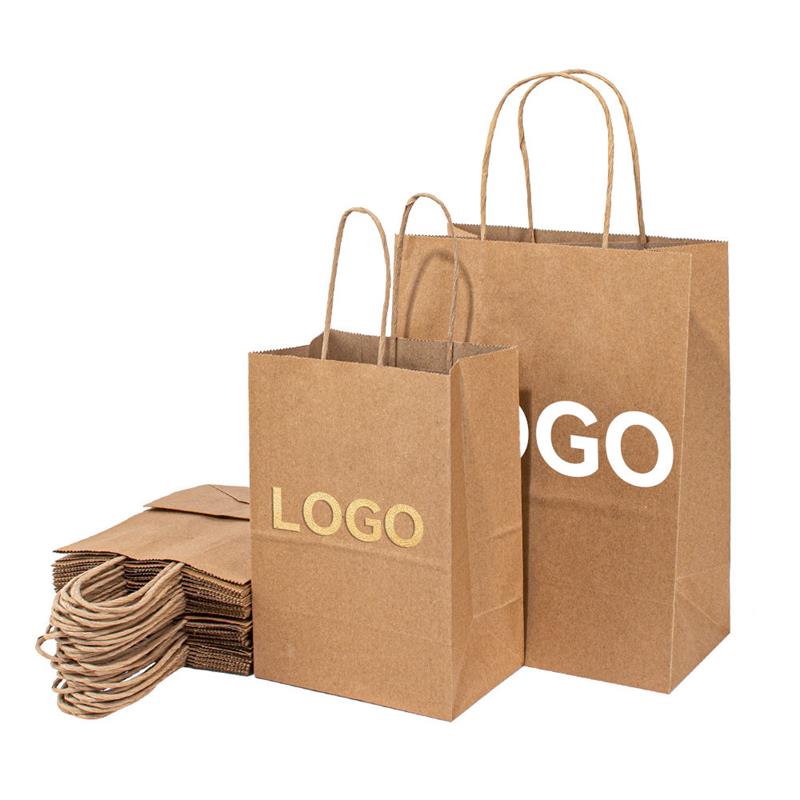
This is the workhorse of the industry. Made from wood pulp, it has that classic brown, slightly rough texture. It’s incredibly strong and tear-resistant, so it’s great for carrying heavy groceries or bulky items. Plus, it’s fully recyclable and gives off a genuine eco-friendly vibe that many customers love. Just keep in mind it can show stains more easily and isn’t as smooth for super-fine printing.
Recycled Paper
If reducing waste is high on your list, recycled paper is a solid pick. It’s made from post-consumer material, which saves resources and energy. It’s often cheaper too. The downside? It might not be quite as sturdy as virgin kraft, and the color or texture can vary a bit from batch to batch.
Bleached Paper
Want a clean, bright white look? Bleached paper delivers that polished, professional finish. It’s popular for cosmetics, fashion, and food packaging where presentation matters. The trade-off is that the bleaching process uses more energy, so it’s not always the greenest option.
Unbleached Paper
This keeps the natural color and fibers intact. It’s more sustainable because it skips the heavy bleaching step and has that earthy, organic appeal. Print quality might not be as sharp, but it works beautifully for brands going for a rustic or authentic feel.
Coated Paper (like Clay-Coated Kraft)
A thin coating on the surface improves print quality and adds some water and stain resistance. It’s excellent when you need vibrant colors and a premium look. However, the coating can make it a bit less eco-friendly and more expensive.
Specialty Papers
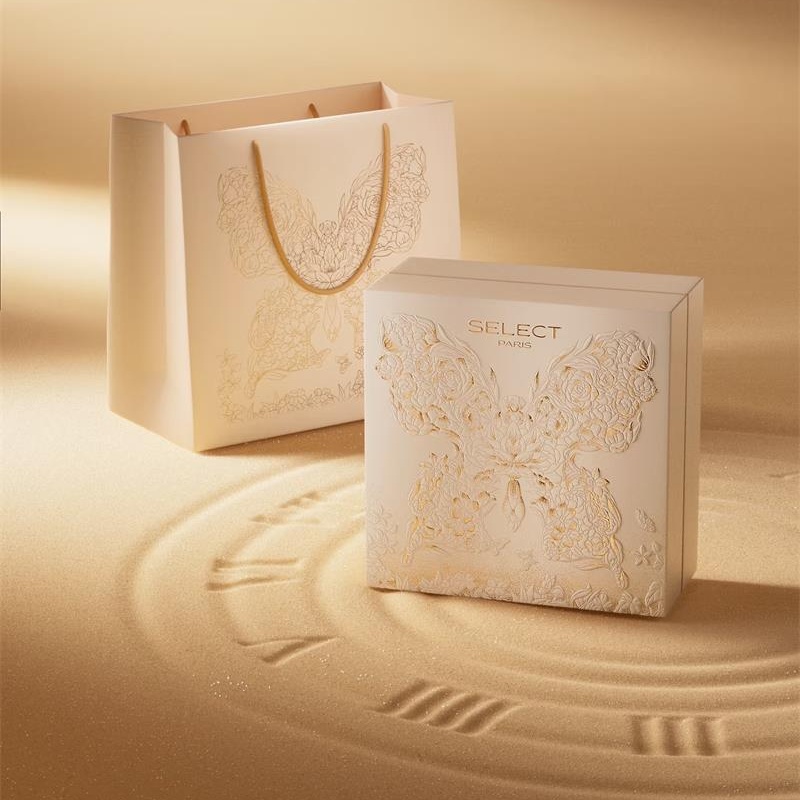
For luxury or gift packaging, you can go with textured, metallic, or embossed papers. These add a tactile, high-end feel that makes customers remember your brand. They cost more, but they’re worth it when you want to stand out.
Popular Finishes for Paper Bags
The finish changes how the bag looks, feels, and holds up in real life.
Glossy Finish: Shiny and eye-catching. Colors really pop, and it offers decent protection against dirt and light moisture. Perfect for promotional or retail bags.
Matte Finish: Smooth and understated. It feels more sophisticated and doesn’t show fingerprints as easily—great for premium or eco-focused brands.
Lamination (Gloss or Matte): Adds a thin protective layer that boosts durability against tears, water, and wear. It gives a polished look but does involve some plastic.
Water-Resistant Coatings: Helpful for humid environments or products that might get a little damp.
Grease-Resistant Coatings: A must-have for food packaging, especially anything oily or fried.
Textured or Embossed Finishes: These create raised patterns or logos that feel special and add personality.
How to Choose the Right Paper Bag
Think about what you’re packaging. Heavy items? Go with strong kraft. Luxury goods? Consider coated or specialty papers. Food service? Prioritize grease or moisture protection.
Match the bag to your brand too. Eco-conscious companies usually lean toward kraft or recycled looks, while high-end brands might prefer matte or embossed options. Don’t forget your budget—larger orders often bring better pricing on premium materials.
Printing and Branding Options
You’ve got several ways to get your design on the bag:
Flexographic works well for big runs and decent detail at a reasonable cost.
Digital is ideal for smaller orders or complex, colorful designs.
Offset delivers sharp results for large quantities.
Screen printing is great for bold, simple logos.
Striking the Right Balance Between Cost and Quality
Premium materials look and perform better, but they come at a higher price. For everyday use, kraft or recycled options often give you the best value. Ordering in volume and working directly with manufacturers can help you access better materials without blowing the budget. The key is making sure the bag is strong enough for your needs—otherwise you risk damaged goods and unhappy customers.
Regulations to Keep in Mind in the US and EU
Rules around packaging are getting stricter. In the EU, directives push hard to cut single-use plastics and favor recyclable options like paper. In the US, states such as California and New York have banned or taxed plastic bags, making paper the go-to alternative. Many buyers also look for FSC certification to show the paper comes from responsibly managed forests.
Final Thoughts
Picking the right paper bag is about more than just looks or price—it’s about matching your product, brand values, and environmental goals. When done well, great packaging becomes part of your customer experience.
At Xiamen GrandSong, we help businesses find custom paper bag solutions that fit their exact needs, with competitive pricing and reliable quality. If you’re looking to upgrade your packaging, feel free to reach out—we’d be happy to help you find the perfect fit.
