

Egg noodles have long been a favorite in Chinese cooking, and for good reason. When prepared right, they deliver that perfect springy texture with a satisfying, firm bite. Their thickness and chewiness make them incredibly versatile—whether you’re tossing them in a quick stir-fry or building a hearty soup. You can find them both fresh and dried, which adds to their everyday appeal. Let’s take a closer look at what makes Chinese egg noodles so special.
What Are Egg Noodles?
At their core, egg noodles are made from wheat flour and eggs—sometimes just the yolks for extra richness, or whole eggs with added yolks for deeper color and flavor. The dough is rolled out, cut into those classic ribbon shapes, and then trimmed to different lengths before being cooked in boiling water.
What I love most is how adaptable they are. You’ll find them in flat, broad, extra-wide, or thicker varieties. They’re a staple across many Asian cuisines, especially in stir-fries, but they shine in all kinds of dishes. Beyond taste and texture, they also bring some nutritional perks. They contain antioxidants that help protect cells from damage and oxidative stress. Just one cup (about 160 grams) of cooked egg noodles gives you roughly 221 calories, 7g of protein, 3g of fat, 40g of carbs, and 2g of fiber.
Are Egg Noodles Gluten-Free?
If you’re gluten intolerant, regular egg noodles from the store probably aren’t your best choice. They’re made with wheat flour, so both fresh and dried versions contain gluten. That said, some brands now offer gluten-free alternatives—always double-check the label to be safe.
Main Types of Egg Noodles
There are four common types you’ll come across, each suited to different dishes:
Thin wonton noodles
These delicate strands pair beautifully with lighter fare like Chicken and Shiitake mushrooms. They also work wonderfully in simple preparations with oyster sauce, ginger, or scallions. To serve, just boil them, drain well, toss with a little oil to prevent sticking, and finish with your favorite sauce.
Wide wonton noodles
Similar to the thin version but noticeably thicker and sturdier. They hold up great with heartier, oilier flavors—think beef dishes or richer sauces.
Hong Kong-style (Chow Mein noodles)
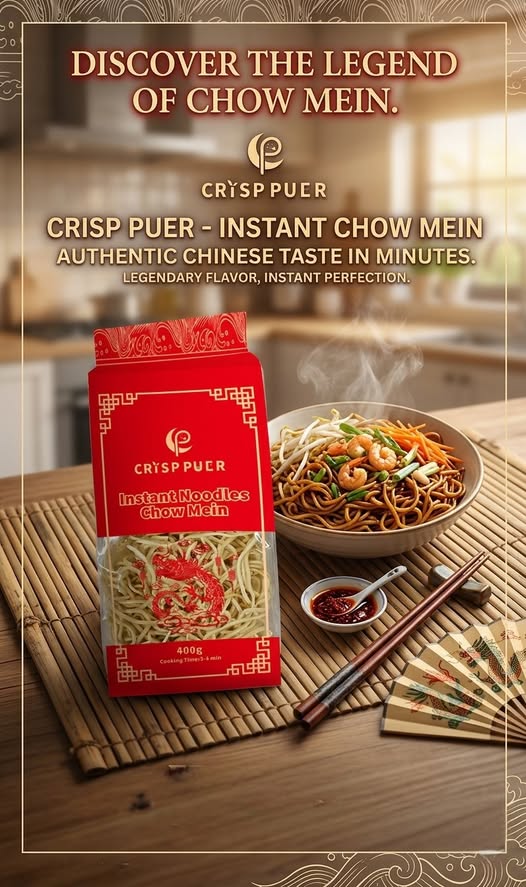
These look a lot like thin wonton noodles but are often labeled as “Hong Kong style” or “pan-fried noodles.” They’re typically boiled first and then stir-fried for that signature texture. You can easily swap them with thin wonton noodles in most recipes.
Lo mein noodles
The thickest of the bunch, these are denser and less springy than chow mein or wonton noodles. They’re ideal for stir-fries loaded with heavy sauces, as they soak up flavors without falling apart.
Wholesale Egg Noodles from Xiamen GrandSong
If you’re looking for quality egg noodles in bulk, Xiamen GrandSong is a reliable professional supplier. They offer a wide range including egg noodles, quick-cooking noodles, vegetable noodles, and rice noodles. With advanced automated production lines and strong R&D capabilities, they keep introducing fresh tastes to the market. Their products meet strict standards and carry certifications like FDA, BRC, HALAL, HACCP, and KOSHER, so you can feel confident about safety and quality.
How to Make a Simple Egg Noodle Stir-Fry
Making egg noodles at home is surprisingly easy and takes around 20 minutes. You’ll need the noodles, eggs, and whatever vegetables you have on hand.
Here’s a straightforward method:
Bring a pot of water to a boil and cook the noodles until they’re just al dente.
Drain them well and rinse under cold water to remove excess starch.
Toss with a tablespoon of oil so they don’t stick together.
Heat oil in a pan or wok. When it’s hot, toss in garlic and green chilies. Once they sizzle, add bell peppers, onions, and other veggies. Stir-fry until crisp-tender.
Push the vegetables to one side, lower the heat, and crack eggs into the pan. Scramble them gently until just set.
Season everything with soy sauce, vinegar, black pepper, and chili sauce to taste.
Add the noodles back in, sprinkle with more pepper, and toss everything together for another two minutes until nicely combined and heated through.
Wrapping It Up
Chinese egg noodles get their appealing color, flavor, and texture from the simple combination of wheat and eggs. Fresh ones are best kept in the fridge and used within a few days, while dried noodles last much longer in the pantry. Whether you prefer thin, wide, or extra-thick varieties, you can explore a great selection at Xiamen GrandSong. Give them a try—you might just find a new favorite weeknight dinner staple.
