

Potato chips are one of those snacks that people easily get hooked on. They're salty, crunchy, and satisfying — and that familiar shape makes them instantly recognizable, even with new twists. For many, a bag of chips brings a little burst of joy in everyday life.
In recent years, the chip world has exploded with creative flavors. Classic salt and vinegar now share shelf space with bolder options like mango-chili or kimchi. This wave of innovation has created real opportunities for anyone thinking about turning their love for chips into a business.
If you're considering it, start by learning the history, the popular varieties, and how the industry works. That foundation helps you understand what keeps customers coming back for more.
The Story Behind Potato Chips
The potato chip dates back to 1853 in Saratoga Springs, New York. Legend says a diner at Moon’s Lake House sent back his fried potatoes, complaining they were too thick and soggy. Chef George Crum responded by slicing them paper-thin, frying them crisp, and serving them anyway. The customer loved the result. Word spread fast, other restaurants followed, and chips soon moved from kitchens to grocery shelves worldwide.
What began as a clever kitchen fix is now a global staple.
The Many Flavors and Styles People Love
Today’s potato chips come in countless flavors. Old favorites like barbecue, sour cream and onion, cheddar cheese, and hot & spicy still dominate, but adventurous options — jalapeño, sweet chili, or regional bold tastes — are gaining ground.
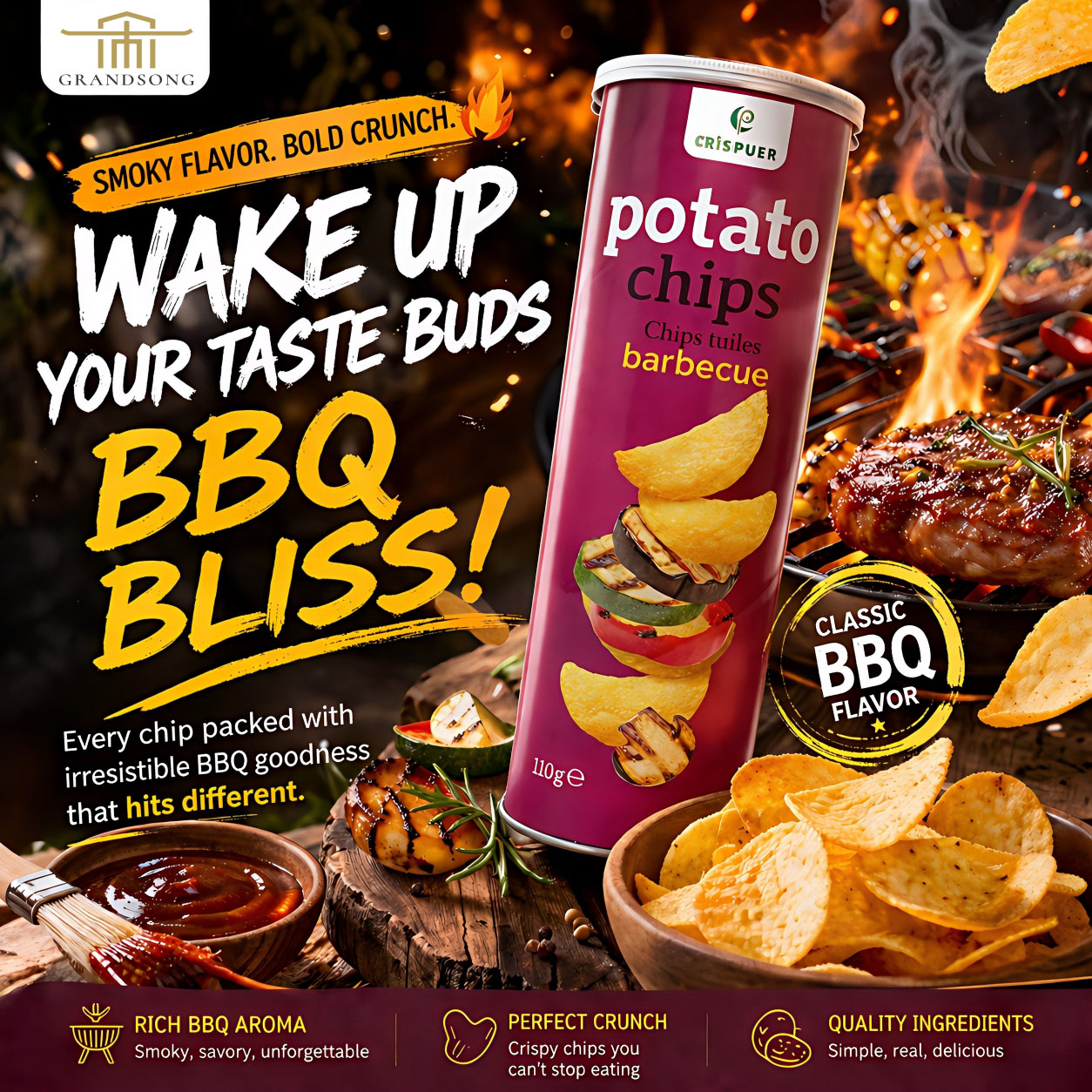
Texture matters too. Kettle chips are thicker and cooked in small batches for extra crunch, while waffle-cut chips have a ridged shape that holds dips perfectly. These variations give people fun ways to explore beyond their usual picks.
How Big Is the Potato Chip Market Today?
The potato chip sector is a solid, steadily growing part of the global snack industry. Busy lifestyles and demand for convenient, flavorful snacks continue to drive expansion. North America remains one of the largest and most profitable regions, though growth is happening across many markets worldwide.
The willingness to try new flavors and grab-and-go options helps the category thrive. For new players, this means there's room to stand out if you can differentiate from the big brands.
How Potato Chips Are Actually Made
Making chips usually follows one of two paths. Small-scale or craft producers often use the traditional method: slicing fresh potatoes thin, frying them in oil, seasoning, and cooling. It gives better control over quality.
Large operations rely on automated lines that handle slicing, frying, seasoning, and packaging at high speed. This is far more efficient for supplying stores or export markets. Either way, the aim is consistent crunch and taste that encourages repeat buys.
Packaging That Sells
Packaging is almost as important as flavor. Flexible bags are still the most popular — they're lightweight, affordable, and shopper-friendly. Cans or tubes offer better protection and a premium feel, especially for gifts or travel.
Newer options like stand-up pouches or resealable bags add convenience and let brands get creative with design. Good packaging not only keeps chips fresh and intact but also helps them stand out on crowded shelves.
Where Potato Chips Sell Best
Potato chips have global appeal. In the US, they generate billions in sales and remain a everyday snacking favorite. Europe has strong markets in the UK, Germany, and France. In Asia, India stands out with its young population and rising demand for packaged snacks.
Understanding these differences helps when choosing where to focus — whether local stores, supermarkets, or online channels.
Smart Ways to Boost Profits
Success in the chip business goes beyond producing more. It starts with quality: great taste and satisfying crunch build loyal customers.
Strong marketing also makes a difference. Build brand awareness, highlight what makes your chips special (unique flavors, better ingredients, or local appeal), and keep an eye on competitors’ pricing. Stay flexible to remain competitive without hurting margins.
Getting Started with Your Own Potato Chip Business
If you're ready to launch, first decide on your production approach — small-batch traditional or more automated — based on your goals and budget.
Get the necessary permits and licenses to stay compliant. Most importantly, research your target customers so you can offer flavors and packaging that truly match what they want.
At the end of the day, potato chips are more than just a snack. They're a fun, flavorful category with solid profit potential. Whether you aim for a small artisanal line or something bigger, understanding the basics can set you up for an enjoyable and rewarding journey in the snack world.
