

Introduction
In today's fast-paced world, where convenience meets creativity in the kitchen, there’s one condiment that stands out for its versatility: tomato ketchup. This bright, tangy sauce made from ripe tomatoes, vinegar, sugar, and spices has become a kitchen staple in homes around the world. Whether you're a busy parent whipping up a quick meal or an adventurous cook experimenting with flavors, ketchup is a reliable go-to. But why should every pantry stock up on tomato ketchup? In this article, we'll dive into its fascinating history, health benefits, and why it's a smart choice for both households and businesses serving home consumers.
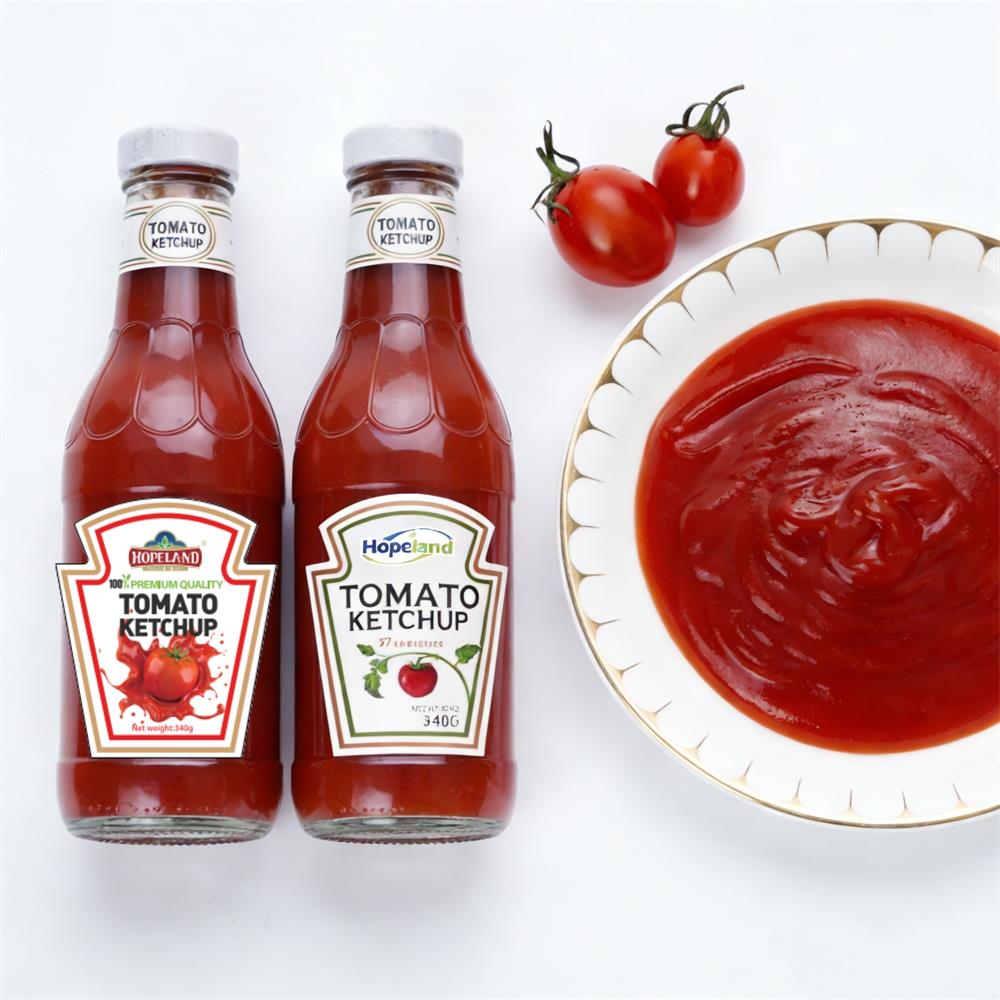
A Look Back at the History of Tomato Ketchup
Tomato ketchup’s journey from a rare import to a kitchen essential is a story of global transformation. It all started in 17th-century China, where a fermented fish sauce called “ke-tsiap” was used. As it spread to Europe and the Americas, the sauce began to evolve. By the 19th century, American innovators like Henry J. Heinz transformed it into the tomato-based version we recognize today, using ripe tomatoes for a sweeter and tangier flavor.
In its early forms, ketchup didn’t even include tomatoes! Instead, ingredients like mushrooms and walnuts were used. But when tomatoes were added in the 1800s, the sauce not only tasted better but also offered health benefits thanks to lycopene, an antioxidant found in tomatoes. This is one reason why ketchup has earned its place in every pantry. For businesses sourcing ketchup in bulk, understanding its history can help tell a compelling story that engages consumers and boosts sales.
The industrial revolution helped ketchup go from a small-batch product to a mass-market item. Factories made ketchup available to everyone by ensuring consistency and safety through pasteurization. This mass production turned ketchup into a symbol of American cuisine. Today, brands continue to innovate, offering low-sugar, organic, and even spicy varieties to cater to different tastes. As dietary preferences shift, ketchup has evolved to meet trends like veganism or low-carb diets.
Nutritional Benefits of Tomato Ketchup
Beyond being tasty, ketchup is surprisingly nutritious. Tomatoes, the main ingredient, are packed with antioxidants like lycopene, which supports heart health and may reduce the risk of certain cancers. When tomatoes are made into ketchup, the lycopene becomes more bioavailable, meaning your body absorbs it more easily than from raw tomatoes.
For families looking to eat healthier, ketchup also offers vitamins A, C, and K, as well as potassium, which is important for regulating blood pressure. A typical serving of ketchup contains only around 20 calories, so it adds flavor without wreaking havoc on your diet. For businesses in the food industry, these benefits can be a great selling point. By positioning ketchup as a “healthy indulgence,” you can appeal to health-conscious customers.
Studies show that consuming tomato-based products like ketchup can help reduce inflammation, partly due to the synergy between tomatoes, vinegar, and spices that promote gut health. However, moderation is key. Opting for low-sodium or no-sugar-added versions of ketchup can help cut down on any potential drawbacks, like excess sugar intake.
Ketchup can also boost the nutritional content of meals in subtle ways. For example, adding it to sauces, marinades, or even soups can introduce more veggie-based nutrients to dishes that might otherwise lack them. For businesses, this opens up product development opportunities—imagine offering fortified ketchup with extra vitamins to appeal to wellness-focused retailers.
The Many Uses of Tomato Ketchup in Cooking
One of the main reasons to always have ketchup on hand is its incredible versatility in cooking. It’s not just for dipping fries; ketchup can be used in a variety of recipes, from barbecue sauces to glazes for meats. Its sweet-and-sour balance enhances stir-fries, soups, and even cocktails like Bloody Marys.
Home cooks love how ketchup simplifies meal prep. A quick mix of ketchup, soy sauce, and honey makes a perfect teriyaki glaze, while stirring it into chili can add depth and complexity. This flexibility is what makes ketchup an essential item for busy families. For B2B buyers, selling ketchup in bulk to restaurants means they can pass on this culinary convenience to home cooks through takeout menus.
Here are a few recipe ideas:
Barbecue Ribs: Brush ribs with a mixture of ketchup, brown sugar, and spices for a sticky, sweet finish.
Meatloaf: Ketchup helps keep meatloaf moist and adds extra flavor.
Salad Dressing: Mix ketchup with olive oil and herbs to make a tangy vinaigrette.
Ketchup isn’t just great for American-style dishes. It works seamlessly in international cuisines too. Think Indian curries or Mexican salsas with a hint of ketchup. For businesses, this global versatility means that ketchup is a product with high turnover—ideal for exporters and distributors looking to stock pantries worldwide.
Convenience and Long Shelf Life of Tomato Ketchup
In today’s world, convenience is everything, and ketchup excels in this area. Unlike fresh ingredients that spoil quickly, ketchup has an impressive shelf life. Unopened bottles can last up to two years, and even once opened, it stays fresh for months when kept in the fridge. The vinegar in ketchup acts as a natural preservative, giving it this extended shelf life.
For households, this means that ketchup is always ready when you need it. No chopping, cooking, or prepping required—just squeeze some onto eggs, sandwiches, or veggies, and you’ve added instant flavor. For businesses, this low spoilage risk reduces waste and ensures that ketchup remains a reliable product on the shelves.
The pasteurization process used in ketchup manufacturing helps eliminate bacteria, meaning it doesn’t need to be refrigerated before opening. This makes ketchup a great choice for pantries, especially in warmer climates or during power outages. Families with kids love ketchup because it’s a great way to encourage picky eaters to try new foods.
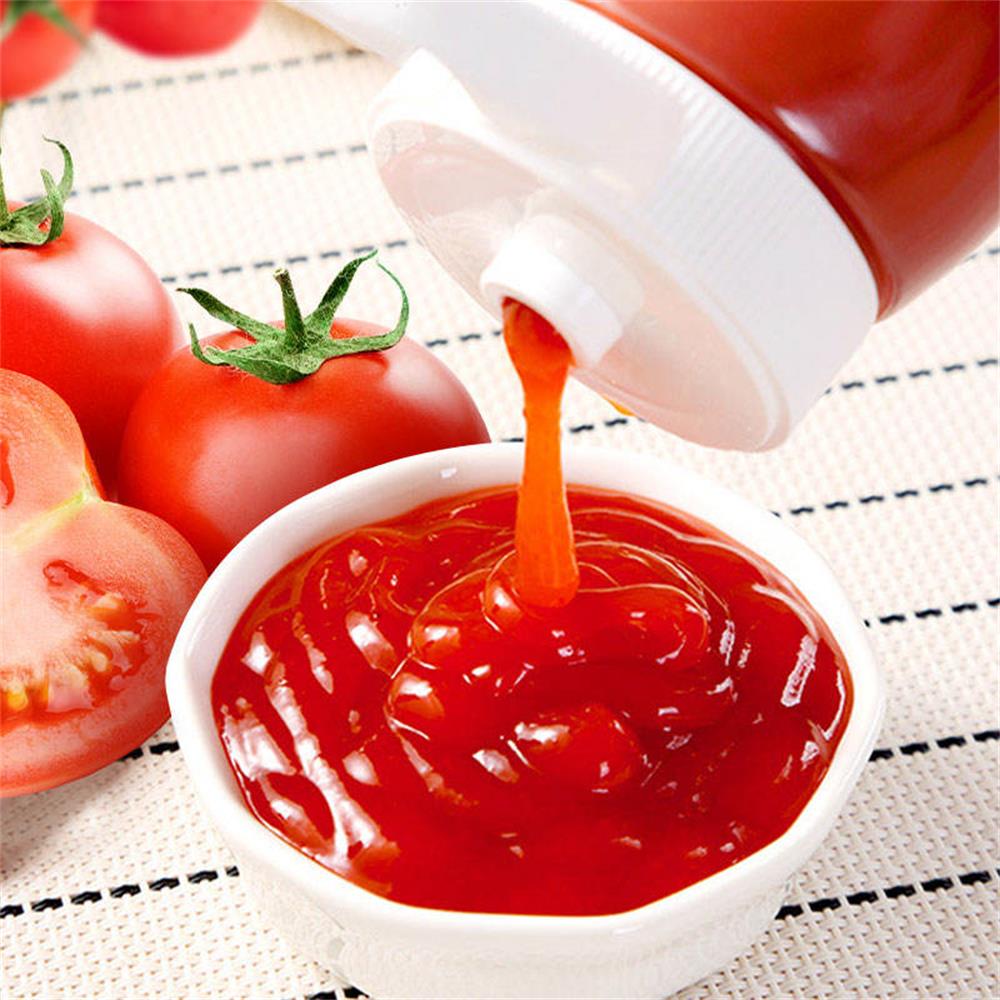
New packaging innovations like squeeze bottles make ketchup even easier to use—minimizing mess and controlling portions. For wholesalers, offering eco-friendly or recyclable packaging can attract environmentally conscious buyers, who, in turn, pass these benefits onto their customers.
Cost-Effective Pantry Staple
Tomato ketchup is also one of the most cost-effective items you can have in your kitchen. Most bottles cost under $3, making it an affordable option for families looking to stretch their food budget. One bottle can last for weeks, and it’s more affordable than many specialty sauces. Plus, ketchup is a great way to repurpose leftovers. For example, yesterday’s roast can easily be turned into a flavorful sandwich spread.
For B2B buyers, ketchup’s low cost is a selling point. Bundling it with other popular items like pasta or burgers can increase average order values and appeal to budget-conscious shoppers. Bulk purchasing options make ketchup even more economical for larger families or small businesses. Warehouse clubs often sell gallon-sized containers at discounted rates, making it ideal for frequent use or home canning.
Ketchup is also a stable item in terms of pricing, which is great for distributors. Unlike other fresh ingredients that can fluctuate in price, ketchup offers consistency. This price stability makes it a reliable product to stock and distribute to households and businesses alike.
Cultural Significance and Global Appeal
Tomato ketchup has become a global icon, and its cultural significance is undeniable. In the U.S., it’s practically synonymous with backyard barbecues and fast food, while in the UK, it’s often paired with fish and chips. This broad adoption shows just how well ketchup blends with local flavors around the world.
Ketchup is also a big part of family traditions. Whether it’s movie night with ketchup-dipped popcorn or a casual family dinner, ketchup provides comfort and familiarity. For businesses, this cultural connection means there’s global demand for ketchup. Customizing ketchup formulas to suit regional tastes—spicier for Asia, sweeter for Europe—can help cater to different markets.
Brands like Heinz have built global empires around ketchup’s iconic status, making it more than just a product—it’s a part of many people’s daily lives. For companies, marketing ketchup as a lifestyle product can help connect with consumers on a deeper level.
Conclusion
In conclusion, tomato ketchup is more than just a condiment. Its rich history, nutritional benefits, versatility in cooking, convenience, affordability, and cultural significance make it a pantry staple that every household can rely on. Whether you’re a busy home cook or a business catering to consumers, ketchup offers a world of opportunities. It’s not just a sauce—it’s a cornerstone of modern living. So, the next time you stock your shelves, don't forget the ketchup!