

The global demand for instant noodles keeps climbing, opening up plenty of opportunities for retailers, distributors, and food entrepreneurs to create their own private label products. But turning a noodle idea into a real product on store shelves is far more involved than simply choosing a great flavor. There’s a lot happening behind the scenes — from recipe development and manufacturing to safety testing and shelf-life validation.
Instant noodles remain one of the world’s most popular convenience foods. They’re affordable, have a long shelf life, and can be prepared in minutes. For busy consumers, they offer a quick, satisfying meal that’s easy to customize with eggs, vegetables, or extra protein. This strong appeal is exactly why so many businesses are now exploring their own noodle brands. Retailers want better private label options, distributors are expanding their portfolios, and new players are looking for an accessible entry into the packaged food market.
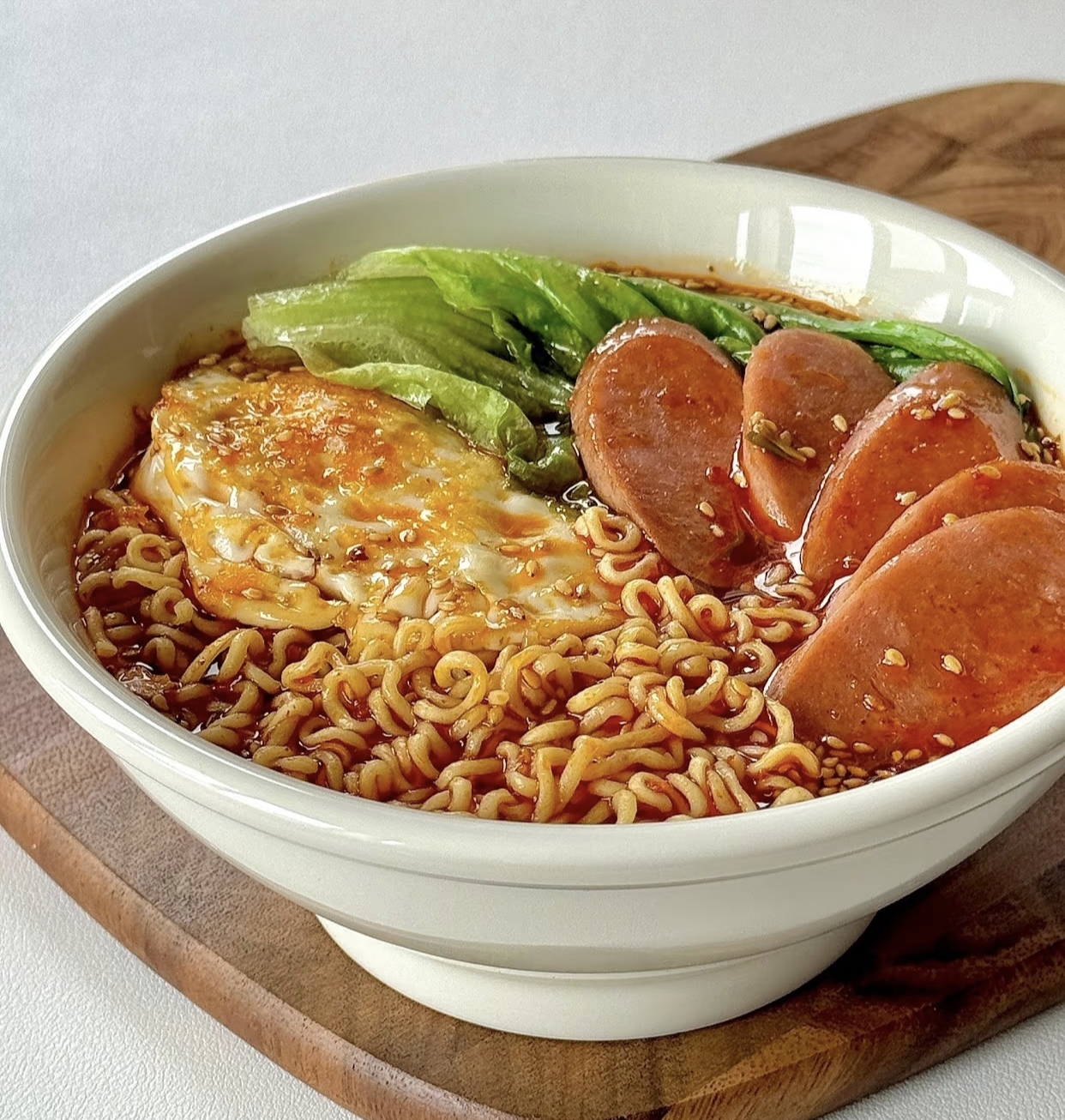
Even though instant noodles look simple, successfully bringing them to market requires real technical expertise, reliable production, and strict regulatory compliance.
Understanding the Market Opportunity
Rising consumption of instant noodles is closely tied to modern lifestyles. With more people living in cities and facing hectic schedules, the need for fast yet tasty meals continues to grow. Instant noodles serve as a perfect versatile base that customers can easily personalize.
For brands, this category is attractive because consumers already know and love the product. You don’t need to educate the market from zero. Instead, you can focus on standing out through creative flavors, smart packaging, and strong branding. Many retailers are using private label noodles to build customer loyalty and improve profit margins while maintaining better control over pricing and positioning.
That said, entering this competitive space requires more than just a good concept — consistent quality and dependable supply are what build real trust.
Product Development: Getting the Foundation Right
Creating quality instant noodles goes well beyond flavor selection. The texture, chewiness, and performance after cooking all depend heavily on the right formulation.
Wheat flour is the core ingredient, and its protein content directly affects gluten development, which gives noodles that desirable springy bite. Getting the dough balance right is critical — too little water makes it brittle, while too much weakens the structure.
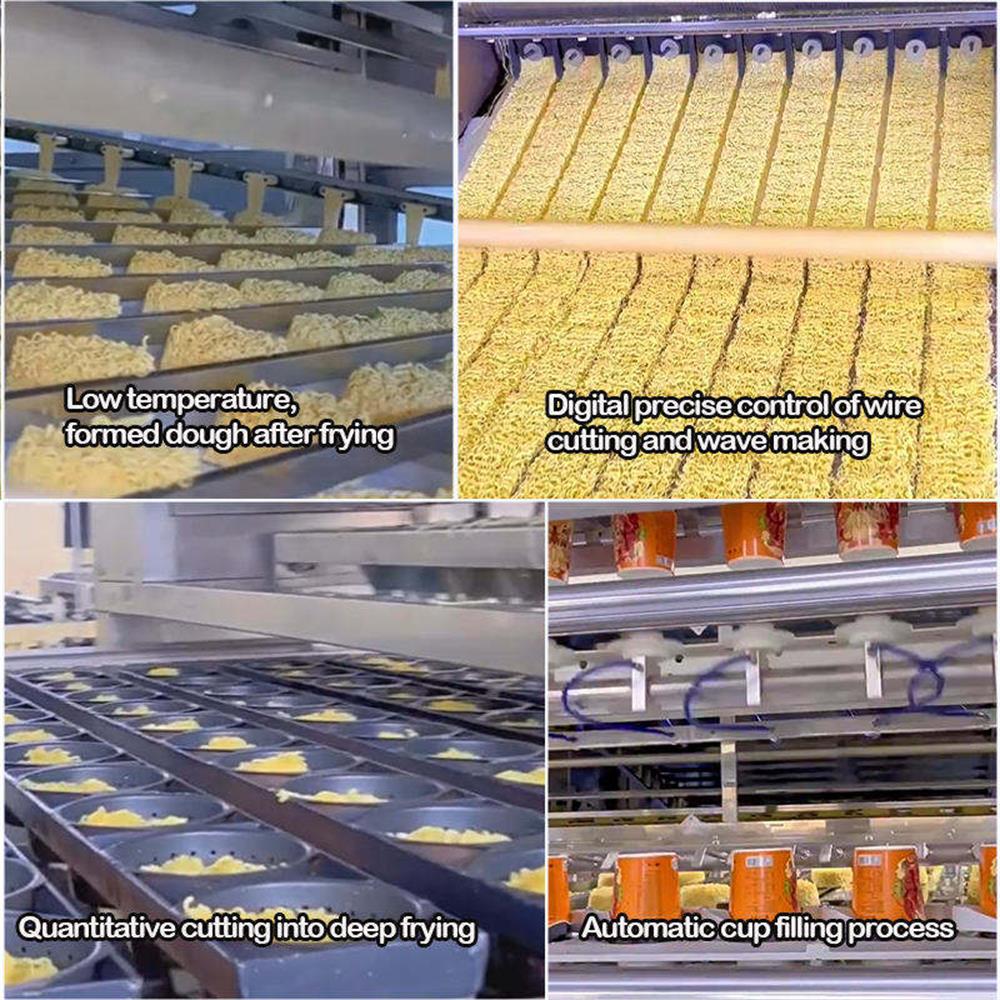
After mixing, the dough is sheeted, cut, steamed to set its structure, and then dried or fried to reduce moisture for longer shelf life. Every stage demands precise control over temperature, humidity, and timing.
Flavor development also takes careful work. Seasoning powders and soup bases must deliver consistent taste even after months in storage, often requiring multiple rounds of testing and adjustment.
Ingredient Sourcing and Supply Stability
Good ingredients matter just as much as the recipe. Wheat flour quality can vary with harvests and milling, directly impacting the final noodles. Seasonings must be sourced carefully to keep every batch tasting the same.
Experienced manufacturers maintain strong supplier relationships, which helps ensure steady quality and reduces supply risks. For new brands, partnering with a seasoned producer gives you instant access to reliable ingredient networks.
Manufacturing Technology and Efficiency
Producing instant noodles at scale needs specialized equipment and controlled factory conditions. The process flows from dough mixing and sheeting to cutting, steaming, frying or drying, cooling, and packaging with seasoning sachets.
Modern automated lines help maintain consistency even at high volumes — something that’s essential if you’re targeting supermarkets or export markets.
Food Safety and Regulatory Compliance
Food safety is non-negotiable. Manufacturers perform thorough checks on raw materials, monitor production conditions, and test finished goods. Traceability systems are also in place to track ingredients if needed.
Regulations vary by country, especially for exports. Experienced manufacturers can help guide you through nutrition labeling, ingredient approvals, and other requirements.
Testing, Shelf Life, and Certifications
Before launch, products undergo lab testing for accurate nutritional information and shelf-life validation. Accelerated testing helps predict how the noodles will perform over time in terms of safety, flavor, and texture.
For brands targeting Muslim markets, Halal certification is often essential. It can be arranged either under the manufacturer or directly under your own brand for greater packaging flexibility.
From concept to production, the whole process usually takes between six and twelve months.
Scaling Production for Growth
Once the product is ready, scaling up brings new challenges: maintaining consistent taste at larger volumes, securing reliable supply, and meeting delivery schedules. Working with a manufacturer that has expandable capacity makes a big difference during growth periods.
Final Thoughts
Launching a private label instant noodle brand may start with a simple idea, but success depends on careful execution across formulation, sourcing, manufacturing, and compliance. Partnering with an experienced manufacturer can make the entire journey much smoother and faster.
Xiamen GrandSong Noodles brings decades of expertise and offers a complete one-stop private label and OEM solution — from custom flavor development and packaging to regulatory support and scalable production. They help brands bring high-quality noodle products to market efficiently and reliably.
As demand for convenient foods continues to rise, those who combine strong market insight with the right manufacturing partner will be best placed to succeed in this competitive industry