

Printed paper bags – how to create an effective design
Nowadays, paper bags are no longer just practical packaging, but have become an important marketing tool and brand image-building element. An effective print design on a paper bag can attract the attention of potential customers, increase brand recognition and even influence purchasing decisions. In this comprehensive guide, we will outline the key aspects to look out for when designing your paper bag prints to make them attractive and consistent with your corporate image. We will also discuss the different printing techniques that can be used to achieve the best effect, along with practical examples and expert tips.
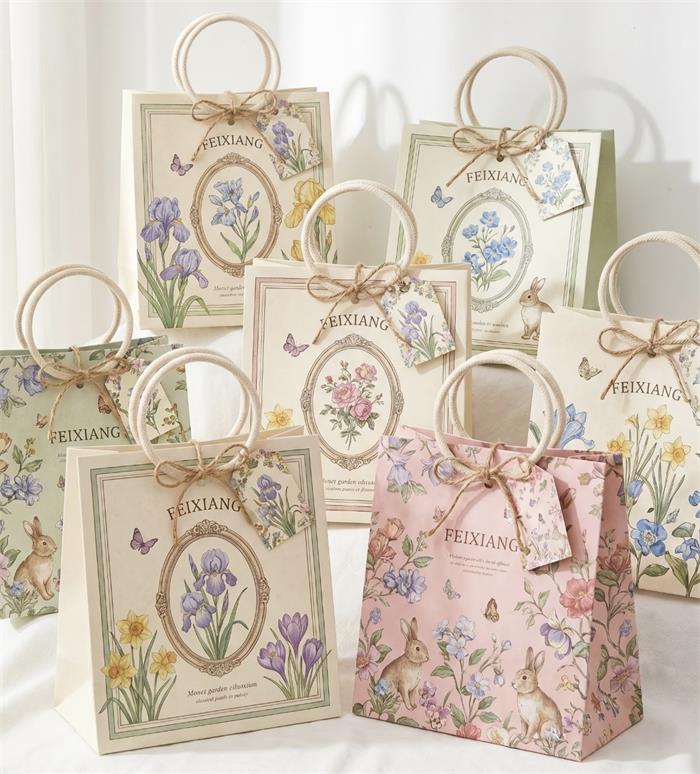
Key Elements of an Effective Paper Bag Design
To create an effective paper bag print design, there are several key elements to consider. A well-thought-out design transforms a simple carrier into a powerful brand ambassador that customers happily reuse.
1. Understanding the Purpose
The first step is to clearly define the bag’s primary role. Is it mainly for retail packaging, promotional giveaways, luxury shopping, or eco-friendly takeaway? For instance, a high-end fashion boutique might prioritize elegance and minimalism, while a grocery store may focus on durability and functionality. Knowing the purpose helps prioritize design elements — whether it’s bold branding for maximum visibility or subtle sophistication for premium appeal.
2. Consistency with Brand Identity
The design must align seamlessly with your overall brand image. Use corporate colors, logos, fonts, and taglines consistently. This reinforces brand recall every time a customer carries the bag down the street or posts it on social media. For example, Starbucks’ green and white paper bags instantly evoke the brand, even without the iconic siren logo dominating the space.
3. Readability and Simplicity
Keep text large, clear, and legible from a distance. Avoid overcrowding the design with too many elements. A simple, bold message or striking visual often performs better than a cluttered layout. White space is your friend — it makes the design breathe and helps key information stand out.
4. Originality and Creativity
In a competitive market, originality helps your bags stand out. Think beyond standard logos: incorporate illustrations, patterns, QR codes linking to promotions, or interactive elements like “scan to win.” Seasonal or limited-edition designs can create urgency and collectibility, encouraging customers to keep and reuse the bag longer.
5. Target Audience Considerations
Design with your customers in mind. Younger demographics may respond well to vibrant colors, memes, or sustainability messages, while luxury clients prefer elegant fonts, embossing, and premium finishes. Cultural sensitivity is also crucial for international markets.
6. Sustainability Messaging
With growing environmental awareness, highlighting eco-friendly materials (recycled paper, FSC certification) can enhance brand perception. Phrases like “Made from 100% Recycled Paper” or tree-planting initiatives printed on the bag build trust and loyalty.
Printing Techniques for Paper Bags
Choosing the right printing method significantly impacts the final look, feel, and cost-effectiveness. Here’s a breakdown of popular options:
Offset Digital Printing
Ideal for large production runs, this technique delivers sharp, vibrant, full-color prints. It’s versatile for complex designs, photographs, and gradients. Modern digital offset also allows shorter runs with quick turnaround times, making it suitable for seasonal campaigns.
Screen Printing
Best for bold, solid colors and high durability. The ink sits on the surface, creating a premium, tactile feel that resists fading or scratching. It’s especially effective for simple logos or limited-color designs on kraft or colored paper bags.
Embossing and Debossing
These techniques add physical texture and dimension without ink. Embossing raises the design, while debossing creates a recessed effect. They convey luxury and sophistication — perfect for high-end brands in fashion, jewelry, or cosmetics.
Hot Foil Stamping
Adds metallic, glossy, or holographic effects using heat and foil. Gold, silver, or colored foils instantly elevate perceived value. This method works beautifully combined with embossing for a truly premium finish.
Additional Techniques
Spot UV Coating: Creates glossy highlights on matte surfaces for contrast and visual interest.
Die-Cutting and Special Shapes: Custom window cutouts or unique handles enhance functionality and memorability.
Lamination: Matte or gloss lamination protects the print and adds a refined touch.
Practical Tips for Success
Mockups and Testing: Always create digital mockups and test physical prototypes. Check how the design looks when the bag is folded, carried, or placed on a shelf.
Cost Optimization: Balance premium finishes with budget. Focus high-impact elements (logo, main visual) on visible areas like the front and sides.
Sustainability Integration: Choose water-based inks and recycled stocks to appeal to conscious consumers.
Measurement of Effectiveness: Track metrics like social media mentions with bag photos, repeat usage rates, or customer feedback surveys.
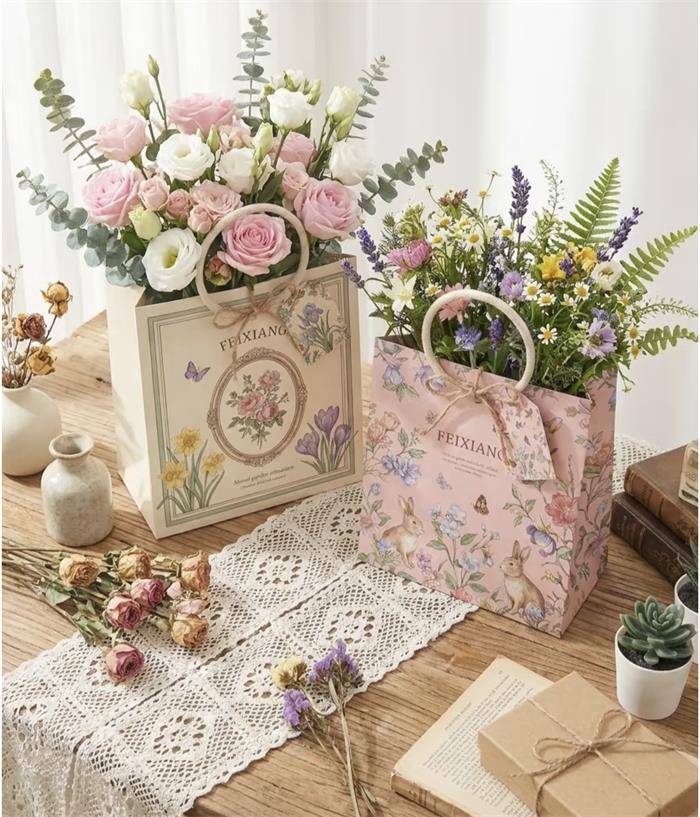
Summary
Designing effective printing on paper bags requires thoughtful planning across purpose, brand consistency, readability, originality, and technical execution. By incorporating the elements and techniques outlined above, your paper bags can evolve from simple carriers into powerful marketing assets that enhance brand visibility, customer loyalty, and even drive sales.
In today’s competitive retail landscape, a standout paper bag design is an investment that pays dividends through increased exposure and positive brand associations. Whether you opt for bold digital prints, luxurious embossing, or sustainable messaging, the key to success lies in creativity, audience understanding, and quality execution. Start with clear objectives, collaborate with experienced designers and printers, and watch your branded paper bags become a walking billboard for your business.
