

You know that sturdy brown paper you reach for when wrapping a gift, packing up groceries, or starting a new craft project? That’s kraft paper. It’s one of those quiet household essentials that shows up everywhere, yet most of us never stop to wonder where it comes from or why it’s so reliable. If you’ve ever found yourself curious about what exactly kraft paper is, how it’s made, or whether that brown bag you’re using is actually good for the planet, you’re in the right place. Let’s dig into it.
What Exactly Is Kraft Paper?
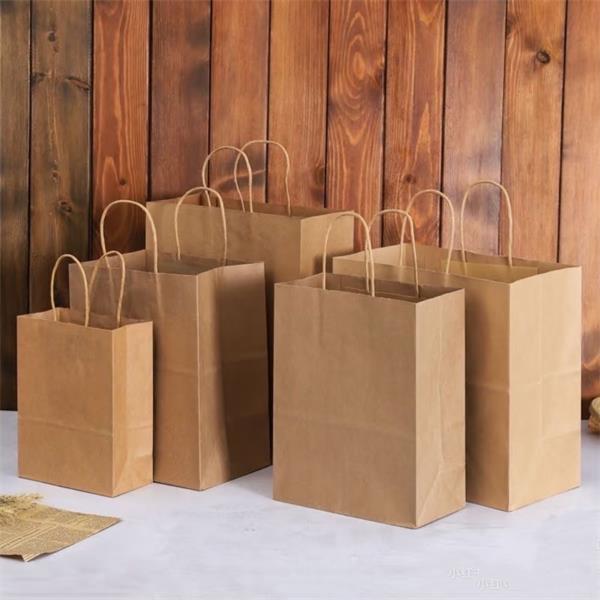
Kraft paper is that classic, unbleached brown paper made primarily from wood chips. It’s been around for well over a hundred years and has earned its reputation as a go-to material for packaging, printing, and all sorts of creative uses. You’ll usually find it sold in big rolls that can be cut down to whatever size you need.
While it isn’t naturally waterproof, a simple coating of wax or oil turns it into a surprisingly effective barrier against moisture. That’s why you see it so often in food packaging — it’s strong, food-safe when treated properly, and does the job without any fuss.
Why Do We Use So Much Kraft Paper?
It’s hard to imagine daily life without it. Kraft paper steps in whenever you need something tougher than regular printer paper. Its heavy-duty, tear-resistant nature makes it perfect for wrapping fragile items, bagging up shopping, or protecting surfaces during messy projects.
You’ll spot it in:
Food wrapping
Arts and crafts
Protective packaging
Gift wrap
Clothing tags
Surface protection sheets
In recent years, it’s also become a favorite for stylish gift wrapping and stationery. People love the natural, rustic look it brings — that “Pinterest-perfect” vibe — plus the fact that it feels more environmentally friendly than a lot of alternatives. We use it constantly, yet we rarely pause to appreciate just how versatile it really is.
How Is Kraft Paper Actually Made?
The manufacturing process has a cool name: the kraft process. “Kraft” comes from the German word for strength, and that’s exactly what this method delivers.
It starts with softwood chips that get cooked under intense pressure and heat in a strong alkaline chemical solution. Wood is made up of two main parts — lignin (the glue that holds it together) and cellulose (the useful fibers). The whole point of the kraft process is to separate the cellulose from the lignin so you’re left with strong, flexible fibers.
Think of it like cooking instant noodles. Straight out of the packet, they’re hard and stuck together — just like raw wood chips. Add hot water (or, in this case, chemicals, heat, and pressure), and everything softens and separates. Once the useful pulp is isolated, it gets washed, screened to remove any chunky bits, rolled out, and dried into those familiar large rolls of kraft paper. From there, it’s ready to be turned into paper bags, wrapping sheets, or whatever else is needed.
Can You Print on Kraft Paper?
Absolutely — and it can look great when done right. Silk-screen printing is one of the most popular methods because it delivers crisp, vibrant results even on the darker background. Laser and inkjet printing work too, though they tend to perform better on lighter shades of kraft.
If you’re working with traditional brown kraft, darker or muted colors usually show up best. Light colors can get lost or muddied by the natural brown tone underneath. The paper itself is quite durable and absorbs ink well, so it’s forgiving for most projects. Still, doing a quick test print is always a smart move — every machine and batch of paper behaves a little differently.
Is Kraft Paper Recyclable?
Yes, and that’s a big part of its appeal. Brown kraft paper is 100% recyclable. At the end of its life, it can be pulped again and turned into new paper. Modern kraft paper often already contains a mix of recycled and virgin fibers, which helps reduce the demand for fresh raw materials.
The recycling process for kraft is gentler than you might expect — it uses fewer harsh chemicals than producing brand-new paper from scratch. In an era where we’re all trying to cut down on plastic, switching to recyclable kraft options just makes sense.
How Thick Is Kraft Paper?
Thickness is usually measured in GSM (grams per square meter). The higher the GSM, the heavier and thicker the paper. Kraft comes in a range of weights, but it’s generally one of the sturdier options out there, which is why it’s trusted for packaging and heavy-duty bags.
Kraft Paper vs. Recycled Paper — What’s the Difference?
This is where things get a bit confusing for some people. Kraft paper can be made from recycled materials, but it’s not the same as traditional recycled white paper.
Regular recycled paper usually starts with mixed waste — old newspapers, letters, magazines, etc. It gets soaked, cleaned, and then heavily bleached to turn it bright white. That bleaching process breaks down the fibers, leaving the paper weaker.
Kraft paper skips most of that bleaching, which is why it keeps its natural brown color and much stronger fiber structure. The result is a tougher, more durable sheet that holds up better under stress.
Looking for Quality Brown Kraft Paper Bags?
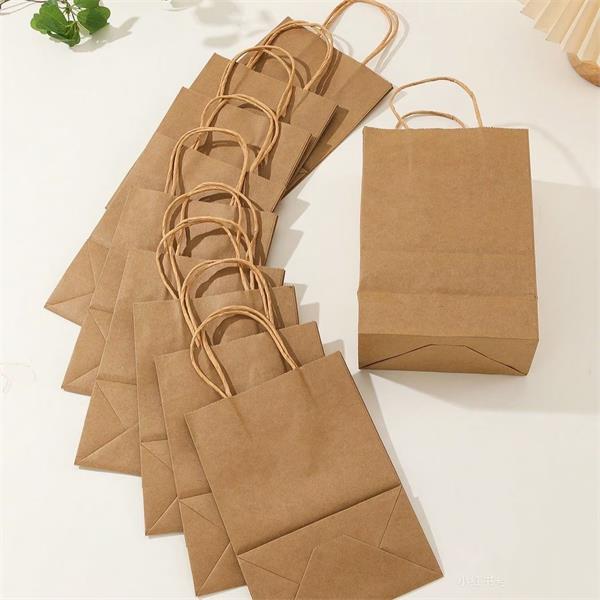
Brown paper bags have made a real comeback. Once pushed aside by plastic carrier bags, they’re now in high demand again thanks to our growing awareness of environmental issues. They work brilliantly as shopping bags, gift bags, takeaway bags, and more.
If you’re after strong, sustainable, and well-made brown kraft paper bags, the experts at Xiamen GrandSong have you covered. Their team knows exactly what goes into creating reliable, eco-friendly packaging that performs.
Get in touch with them today to chat about your packaging needs — they’ll help you find the perfect solution.
